What is Ghent?

Ghent is a historic city in the Flanders region of Belgium, shaped by its medieval past and network of canals. Its city center is filled with narrow streets, bridges, and guild houses along the rivers, creating a compact area where walking reveals layers of history at every turn. With landmarks like Gravensteen Castle and St. Bavo’s Cathedral that showcase the city’s architectural variety, Ghent blends cultural heritage with everyday urban life, highlighting both local traditions and the rhythm of a modern city.

Plan your visit to Ghent

Opening hours

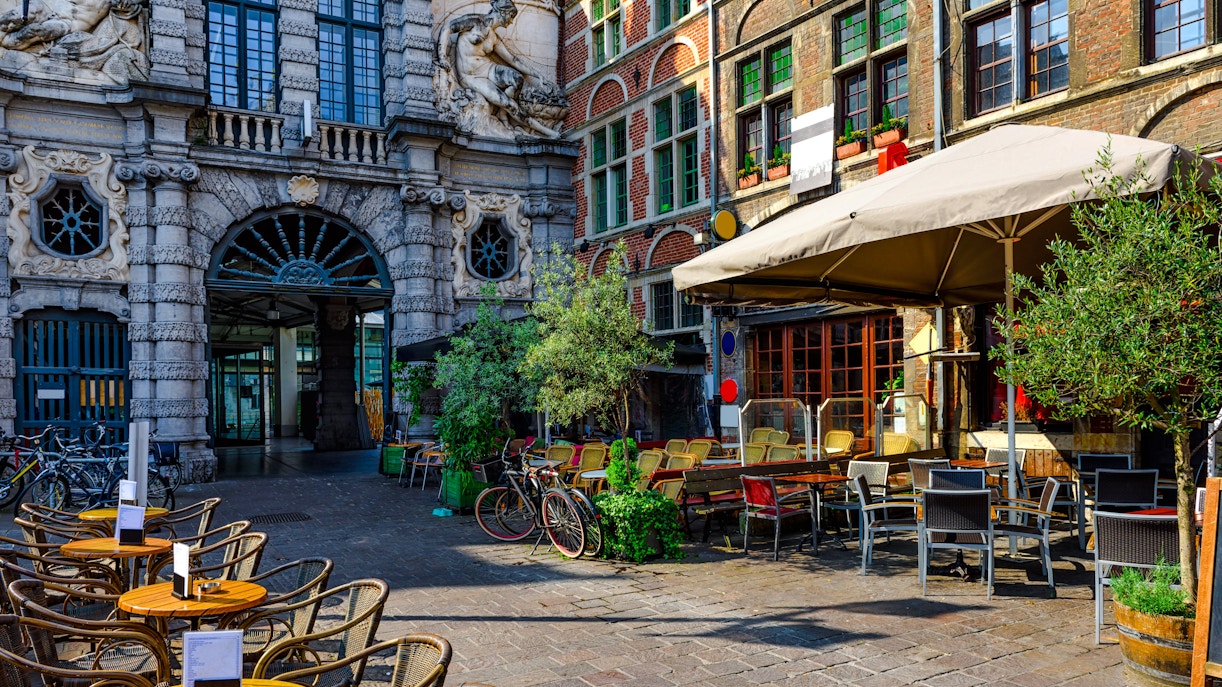
Outdoor café with tables and chairs in the historic city center of Ghent, Belgium, on a sunny day.

Ghent is an open city and can be explored year‑round at any time. Most attractions, museums, cafés, and shops operate between 9:30 am and 6 pm, with some restaurants and bars opening earlier or staying open later.

Seasonal changes apply, with longer summer hours and shorter winter hours. Some attractions may close on public holidays, so check ahead when planning your visit.

Best time to visit

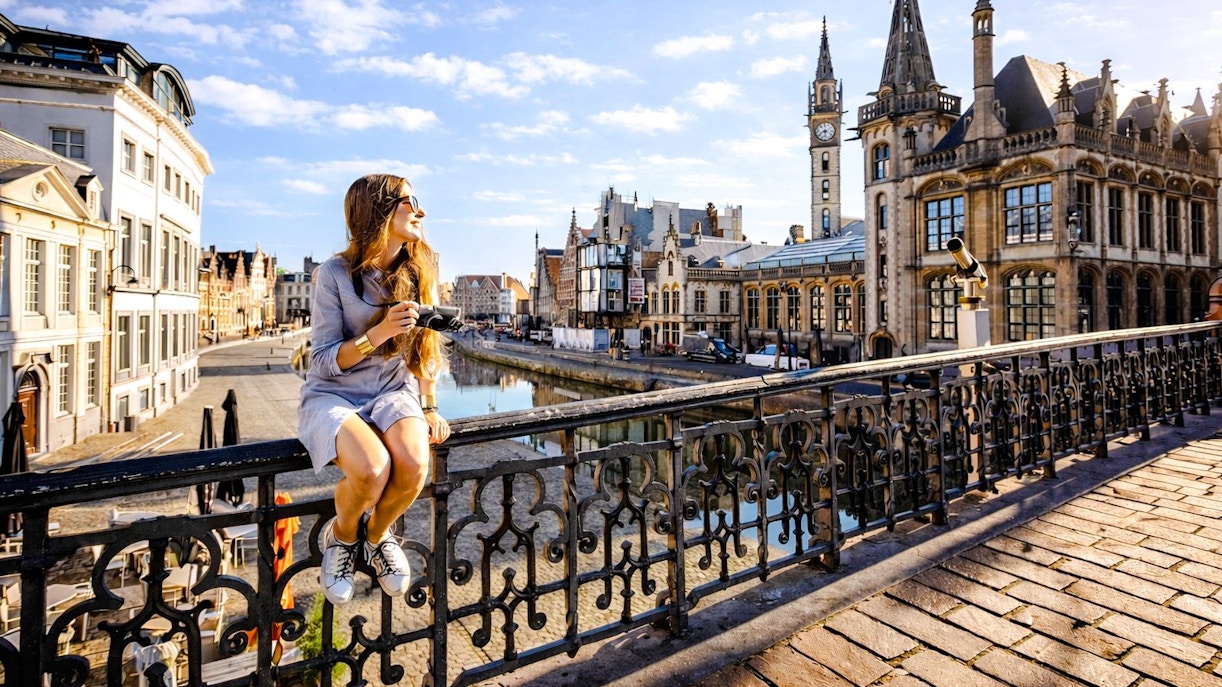
Person sitting on Sint-Michielsbrug in Ghent, holding a camera with historic buildings in the background.

The best time to visit Ghent is spring (April–June) and early autumn (September), when the weather is mild and the canals are less crowded.

  • Summer (July–August) sees more tourists, especially at popular spots, while winter (December-January) offers fewer crowds but shorter daylight hours.
  • If you’re deciding between weekdays or weekends, note that midweek visits are generally quieter. Early mornings (before 10 am) and late afternoons provide a calmer experience.

Location

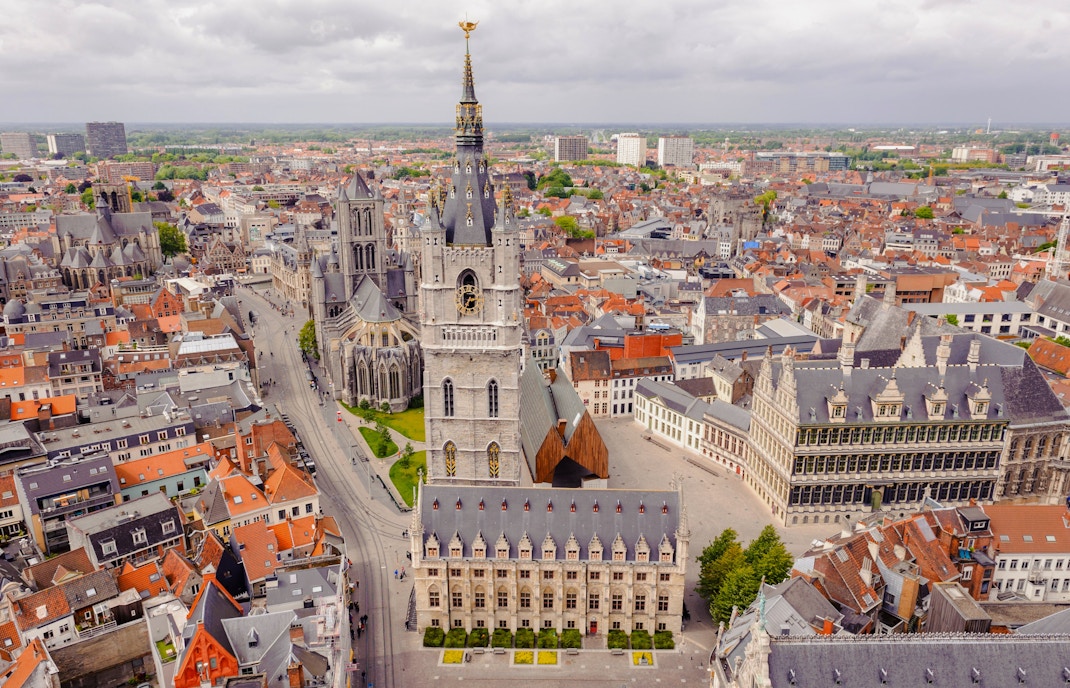
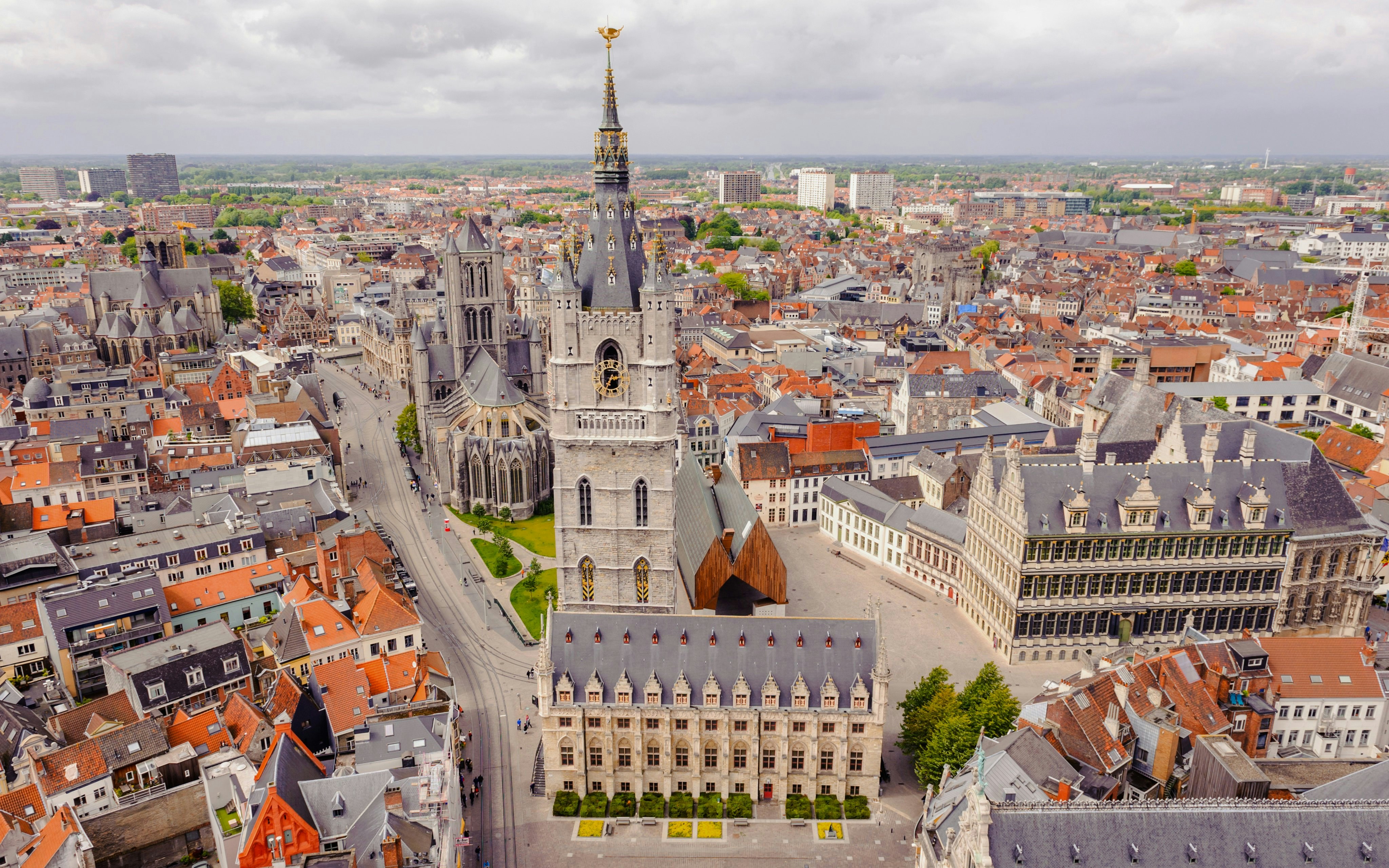
Aerial view of Ghent city center with Belfry of Ghent and St. Bavo's Cathedral, Belgium.

Ghent is located in the Flanders region of Belgium, about 55 km northwest of Brussels. The historic city centre is around the Graslei and Korenlei canals, St. Bavo’s Cathedral, and Gravensteen, all within easy walking distance of each other.

Major rail stations:

  • Gent‑Sint‑Pieters is the main transport hub for trains from Brussels and other Belgian cities.
  • Gent‑Dampoort is the second station, closer to the northern side of the city center.

Bus station: Buses also serve central stops near these stations, making it easy to reach Ghent by public transport from Brussels and beyond

Getting to Ghent

What to do in Ghent?

Explore Gravensteen Castle

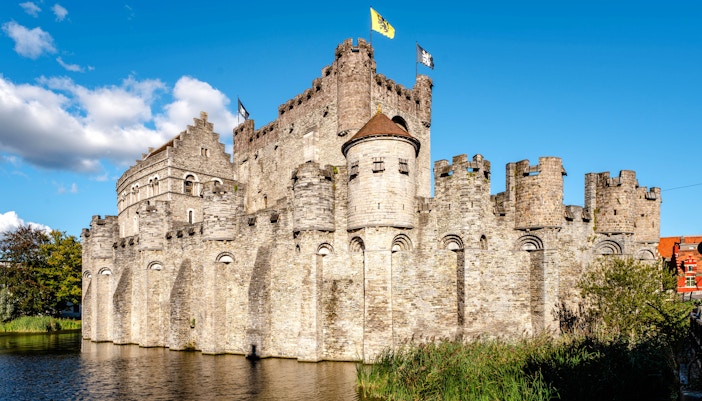
Admire Gravensteen Castle from outside when on your day trip and imagine life in a 12th-century fortress. If you want a deeper exploration, head inside to wander through its medieval halls while taking in views of the city from the battlements.

Walk along the Graslei and Korenlei

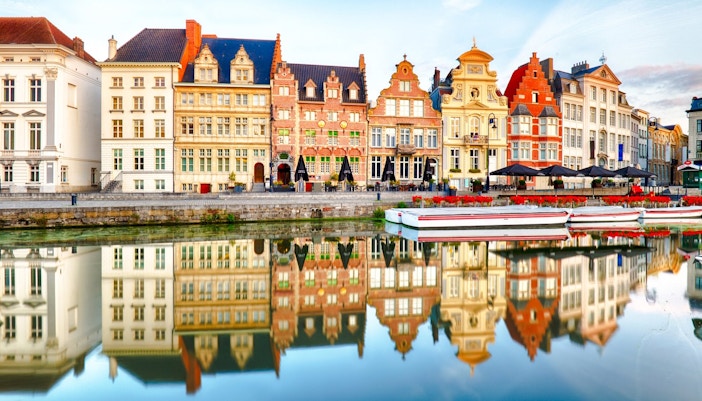
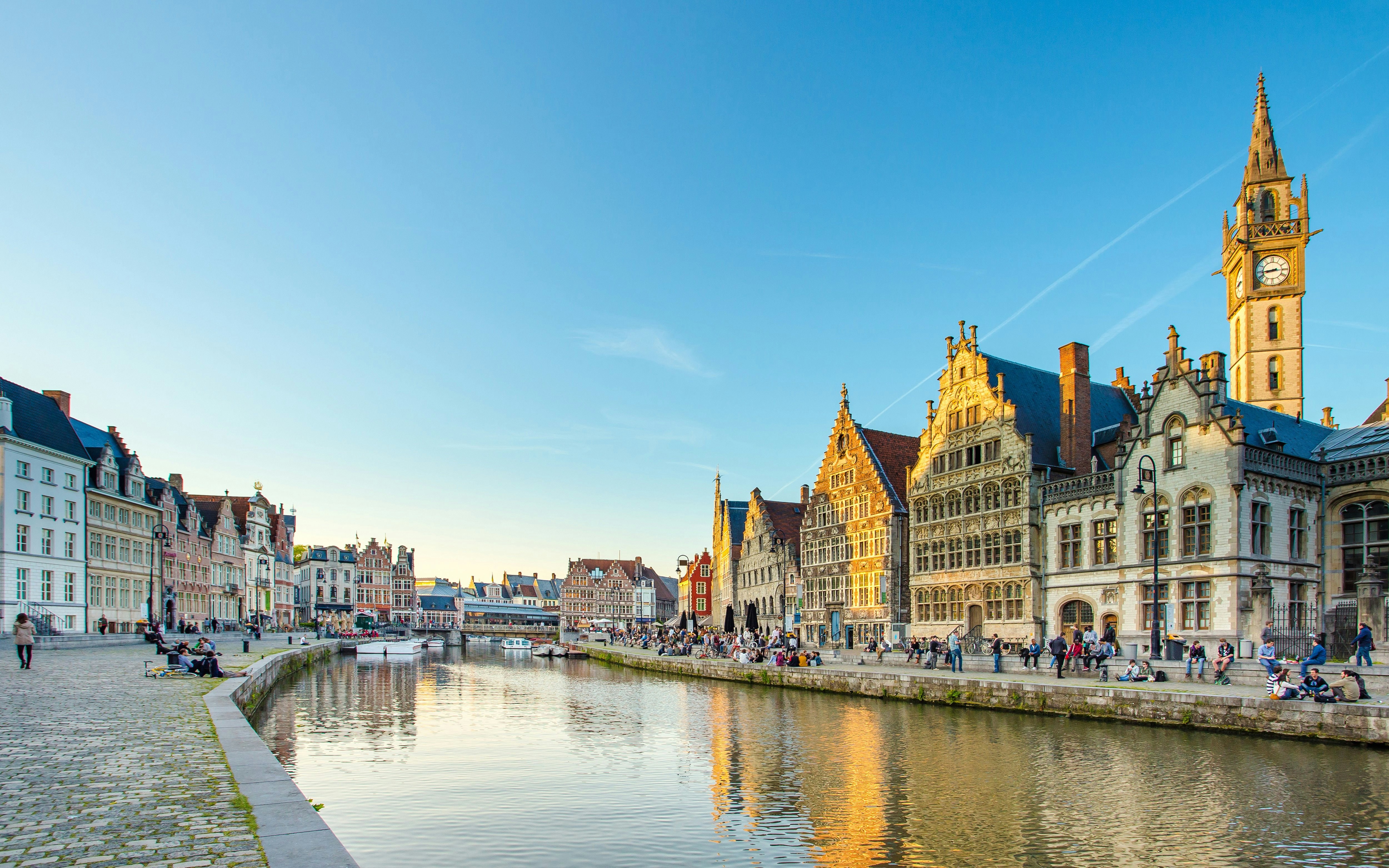
If you like a relaxed stroll, wander along the Graslei and Korenlei canals, Ghent’s historic waterfront. Admire the guild houses and riverside activity while stopping at cafés, and soak in the city atmosphere away from the bustle.

Explore Patershol neighbourhood

Get a feel for local life by wandering through Patershol, Ghent’s medieval quarter. Peek into galleries, boutique stores, shops, and restaurants, and take your time soaking in the atmosphere to experience the neighbourhood’s culture.

Take a canal boat tour

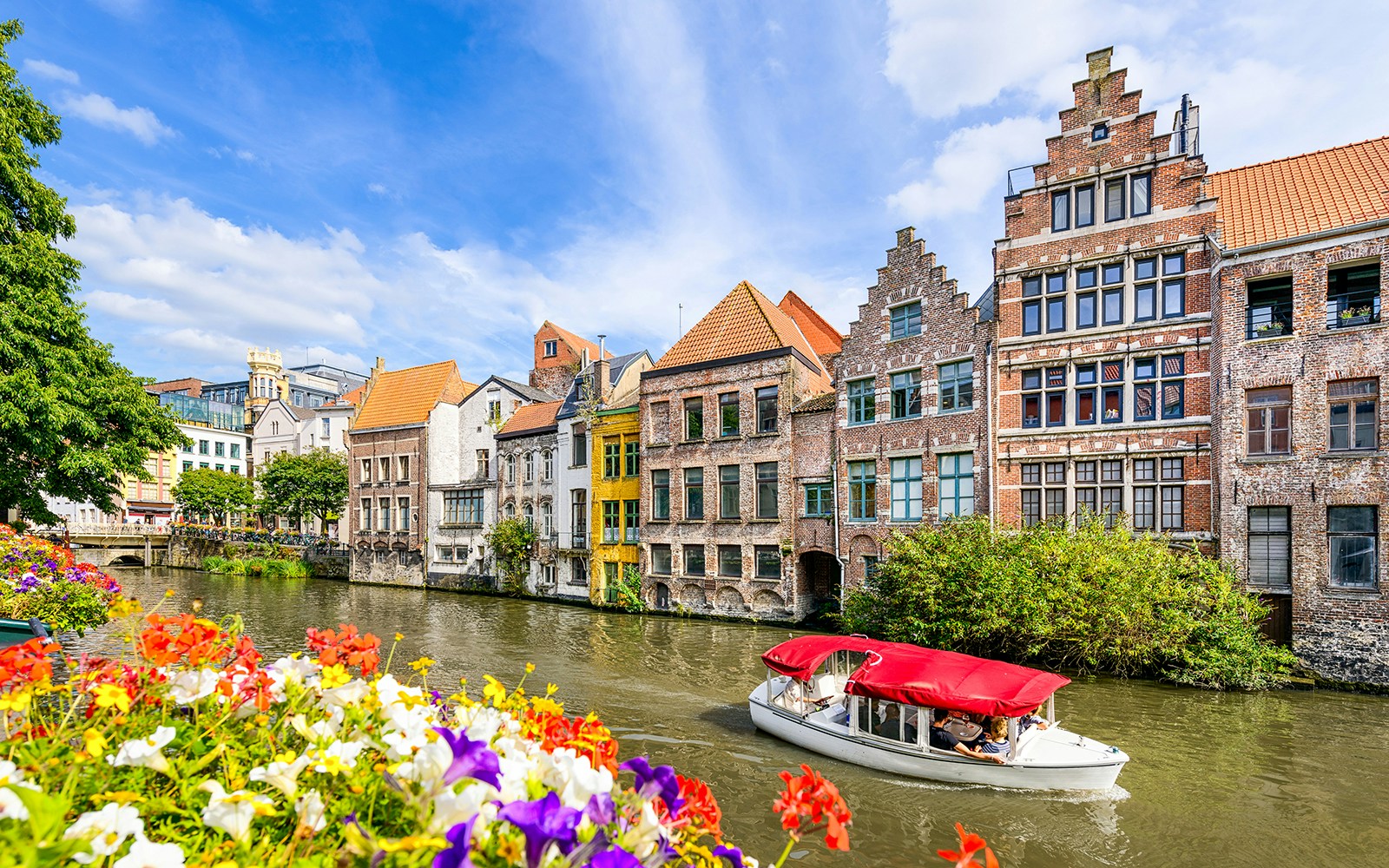
For a different perspective, see Ghent from the water on a canal boat tour. Glide under bridges and along historic streets while hearing stories about the city’s rich history and ancient canals.

Sample Belgian specialties

Taste Ghent’s Belgian specialties, from chocolates to local pastries, at cafés sprinkled throughout the city. Many stops are close to key attractions, making it easy to combine sightseeing with snacking.

Visit a Brewery or Beer Museum

Discover Belgium’s beer culture at a Ghent brewery or beer museum. Learn about brewing methods and historic recipes, while enjoying some of the country’s famous beers.

What to see in Ghent?

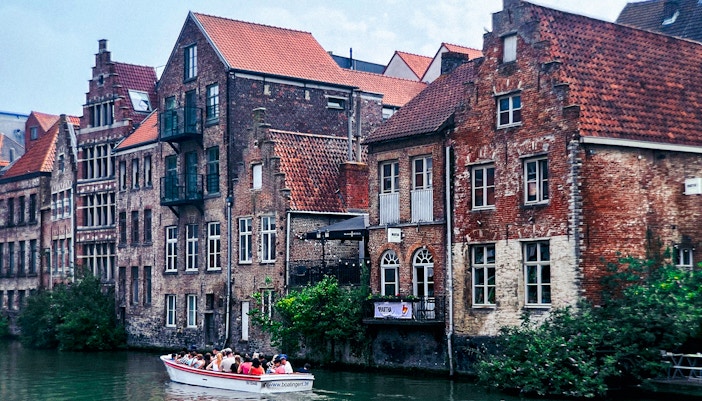
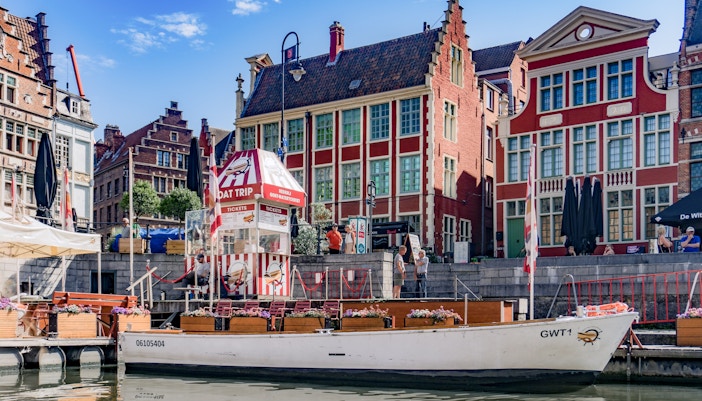
Canal boat passing historic buildings in the old town of Ghent, Belgium.
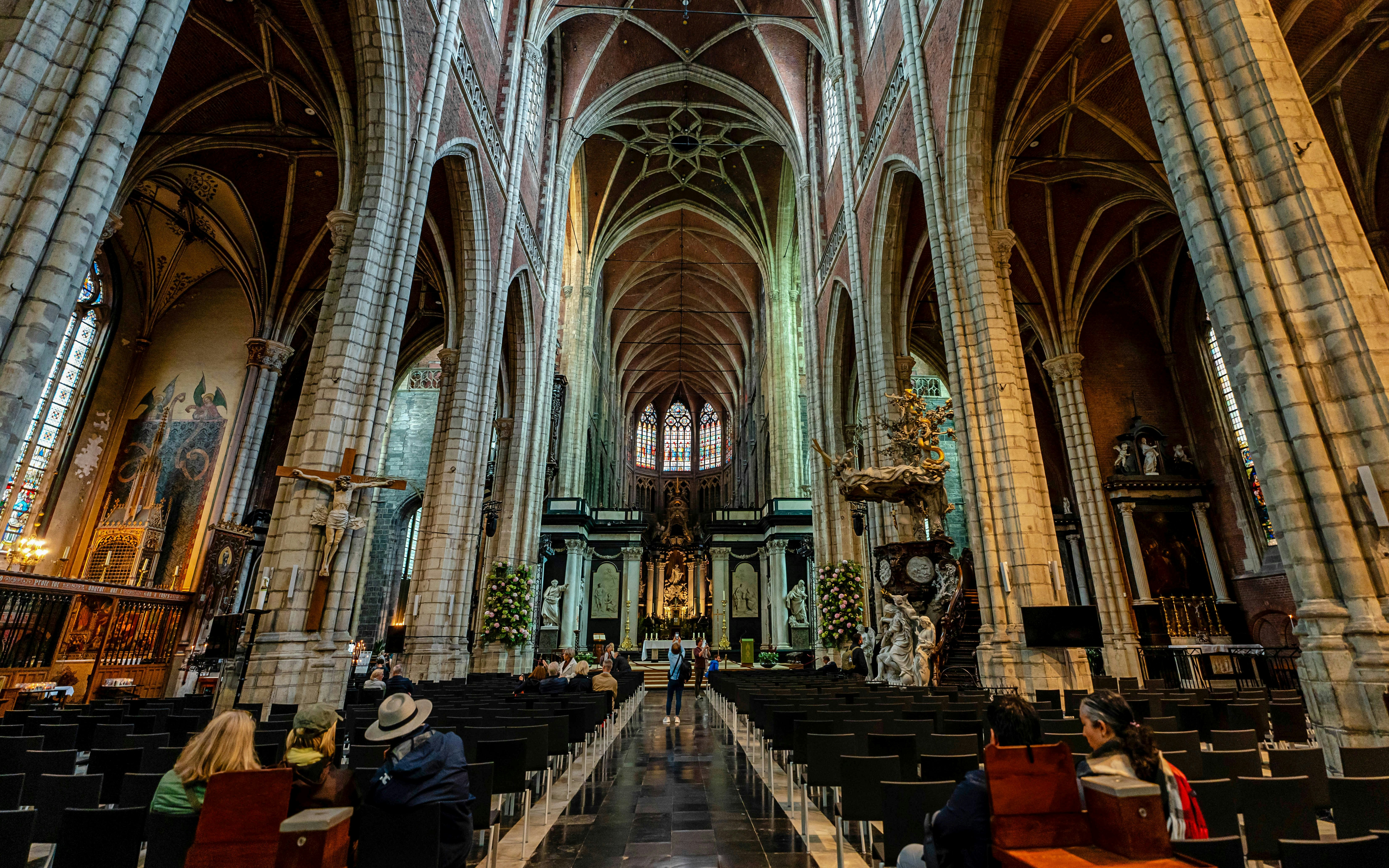
Interior view of Saint Bavo's Cathedral in Ghent, Belgium, showcasing its vaulted ceilings and ornate altar.
Graslei canal with historic buildings in Ghent city center, Belgium.
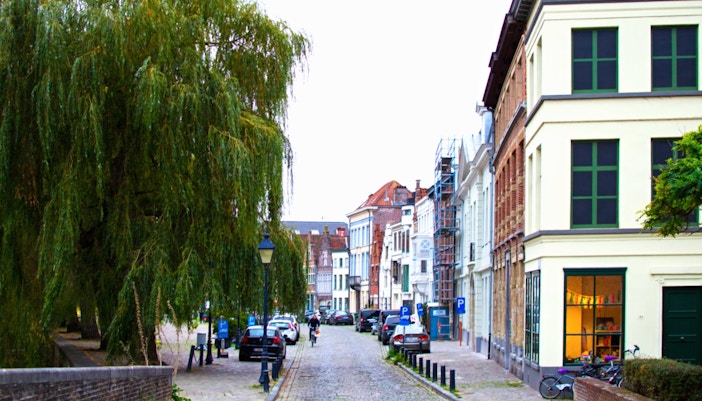
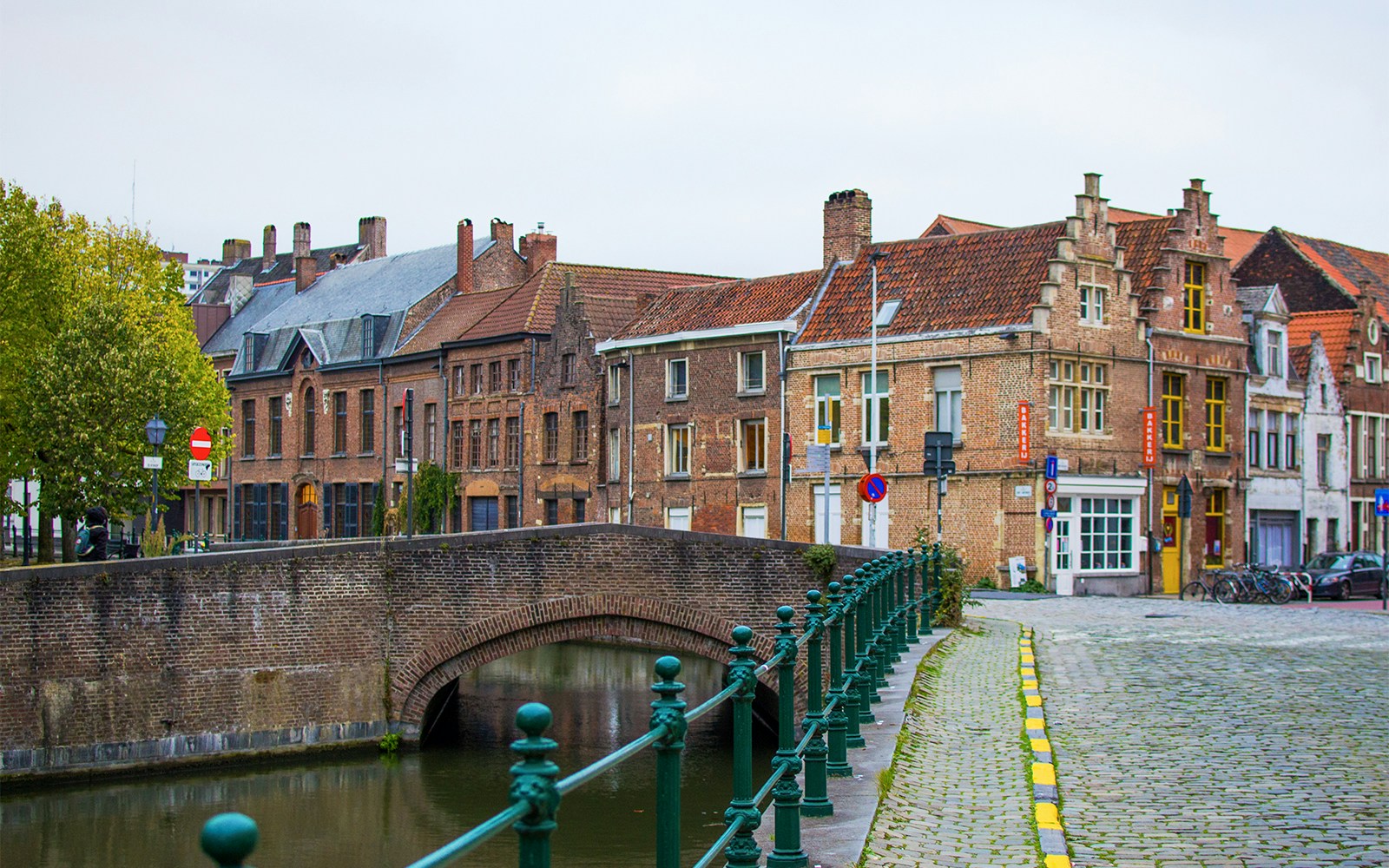
Patershol street with brick buildings, green railings, and Lys river bridge in Belgium.
Aerial view of Ghent city center with Belfry of Ghent and St. Bavo's Cathedral, Belgium.
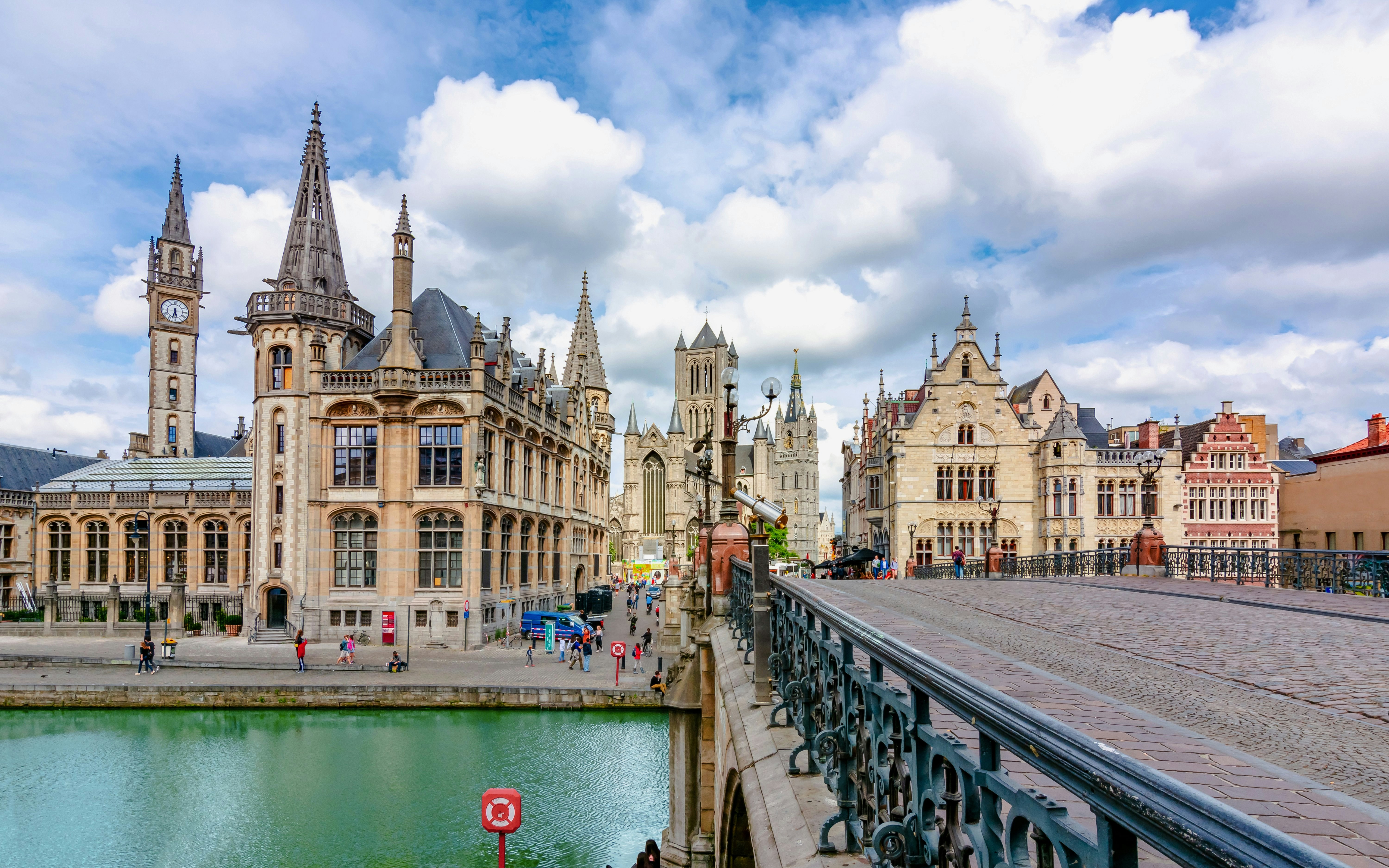
St. Michael's Bridge in Ghent with historic buildings and canal view.
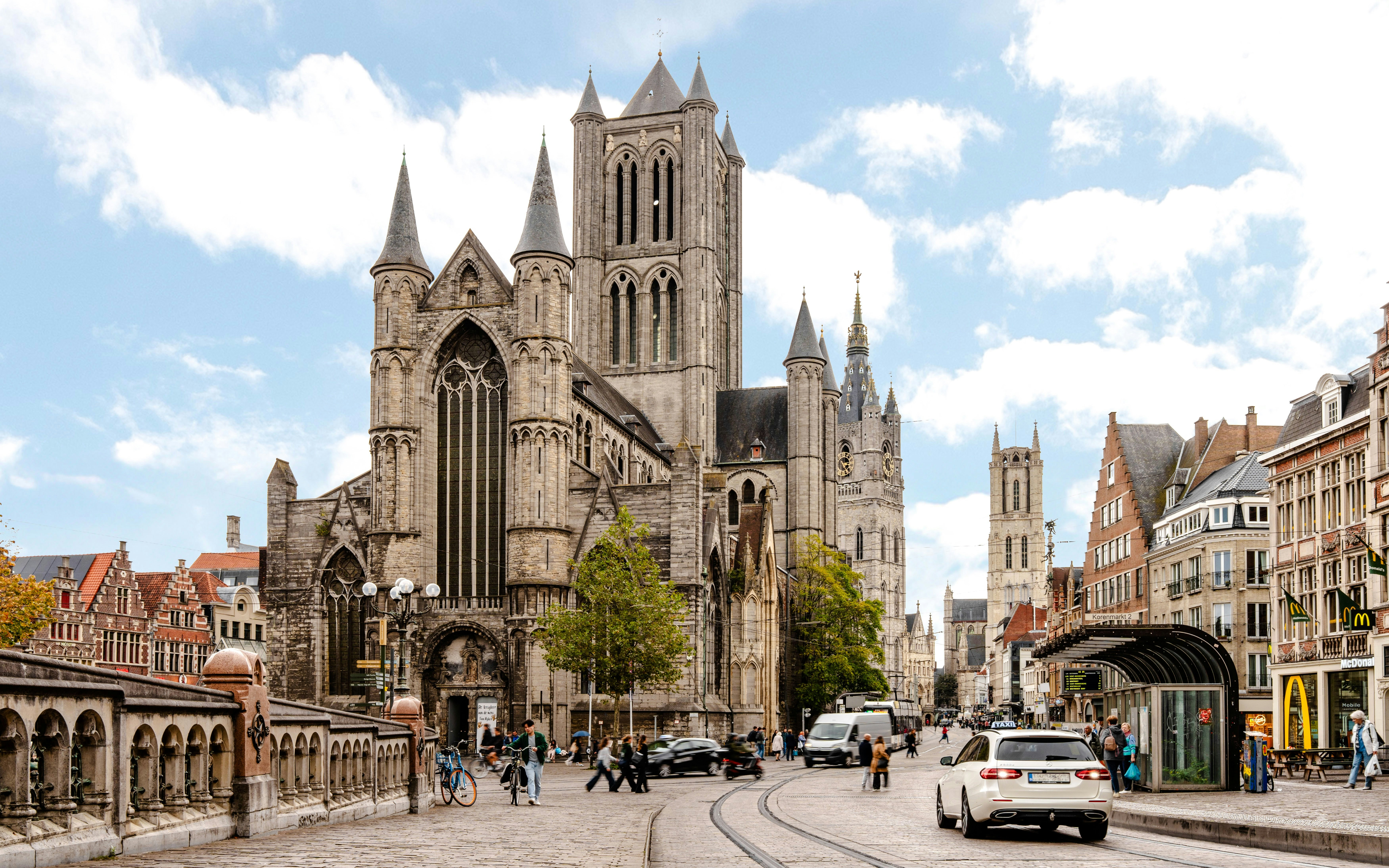
Street scene in Ghent, Belgium, with Saint Nicholas Church and bustling activity.
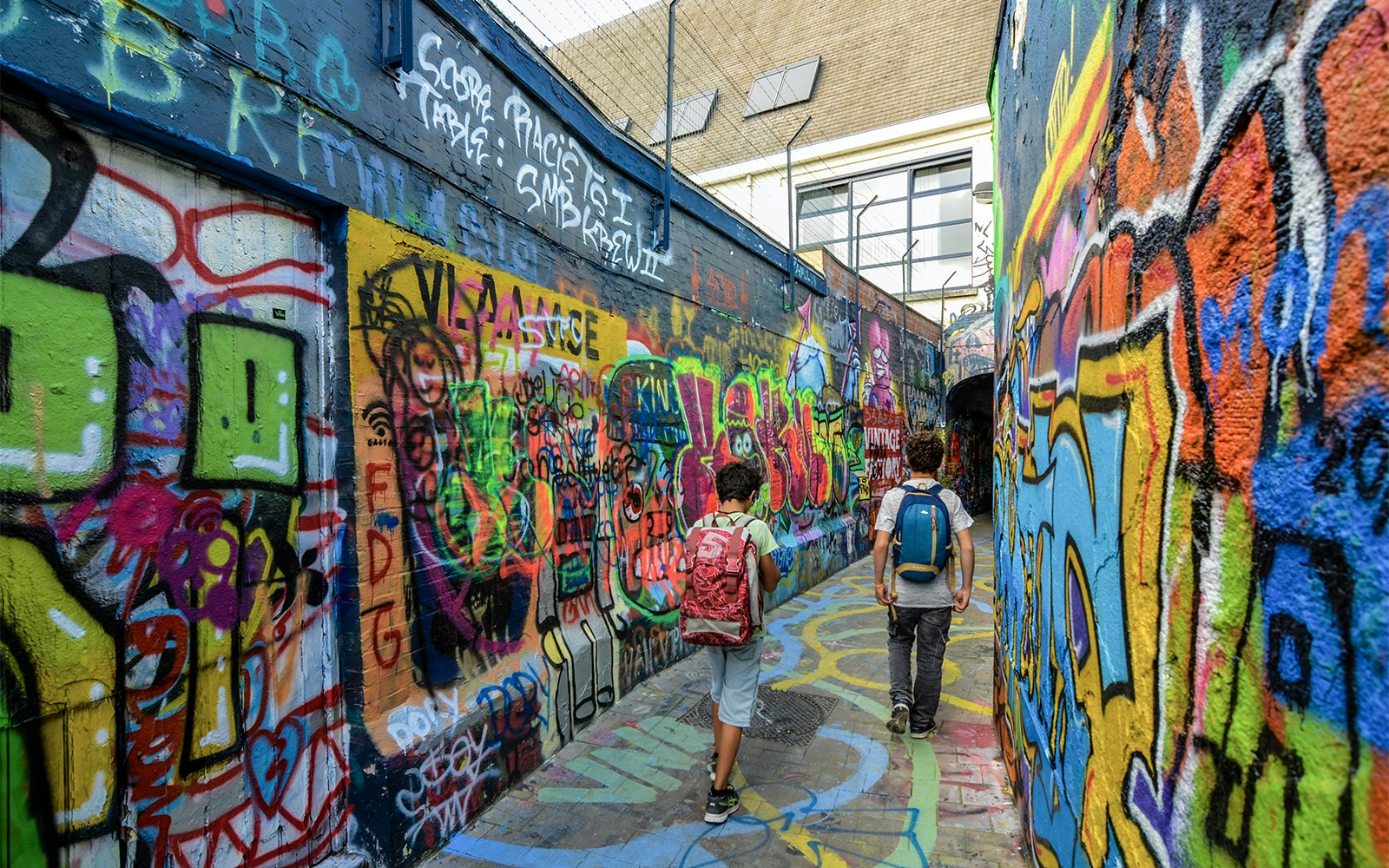
Graffiti-covered alley with two people walking, Ghent, Belgium.
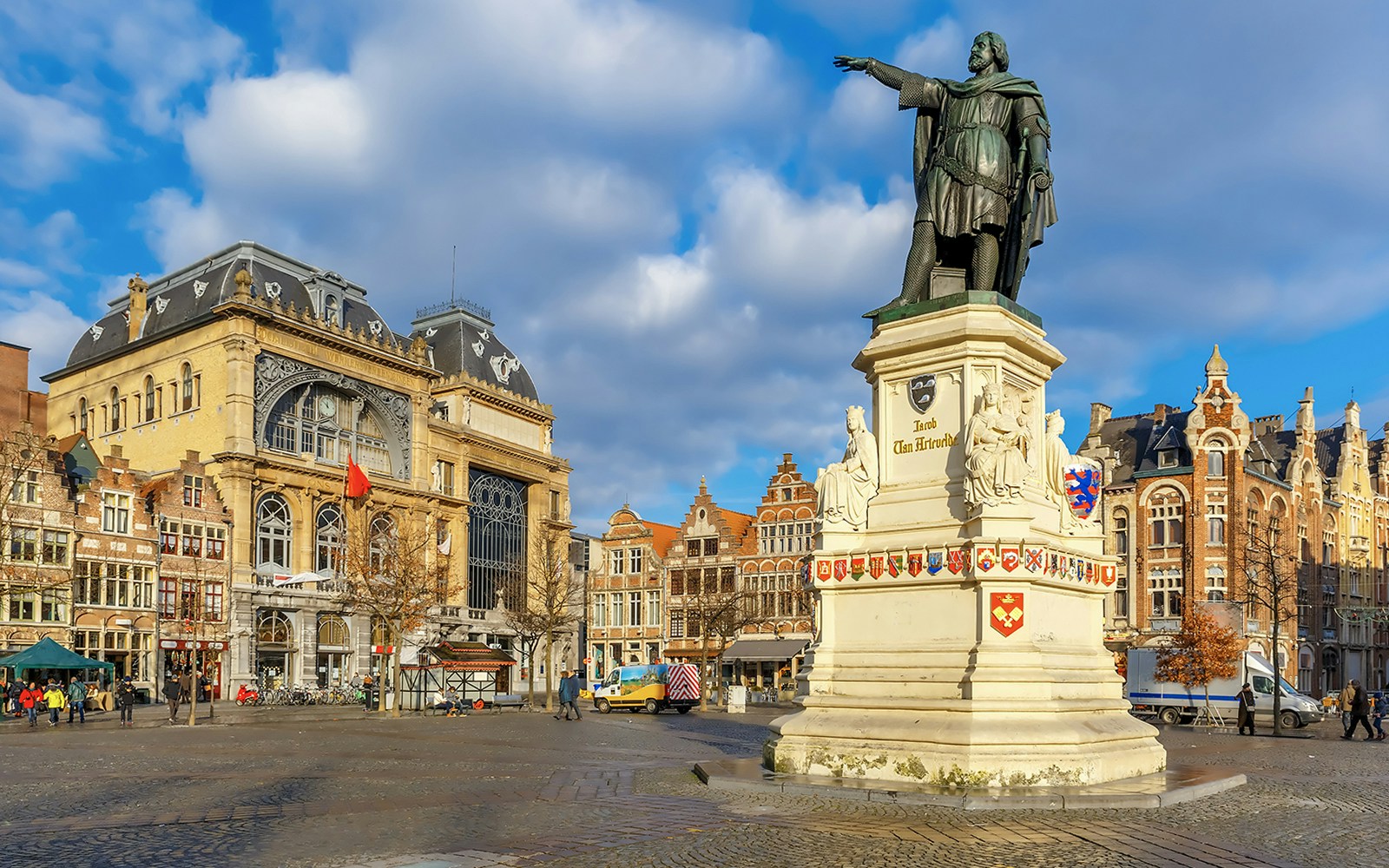
Jacob van Artevelde statue at Friday Market square, Ghent, Belgium, on a sunny morning.
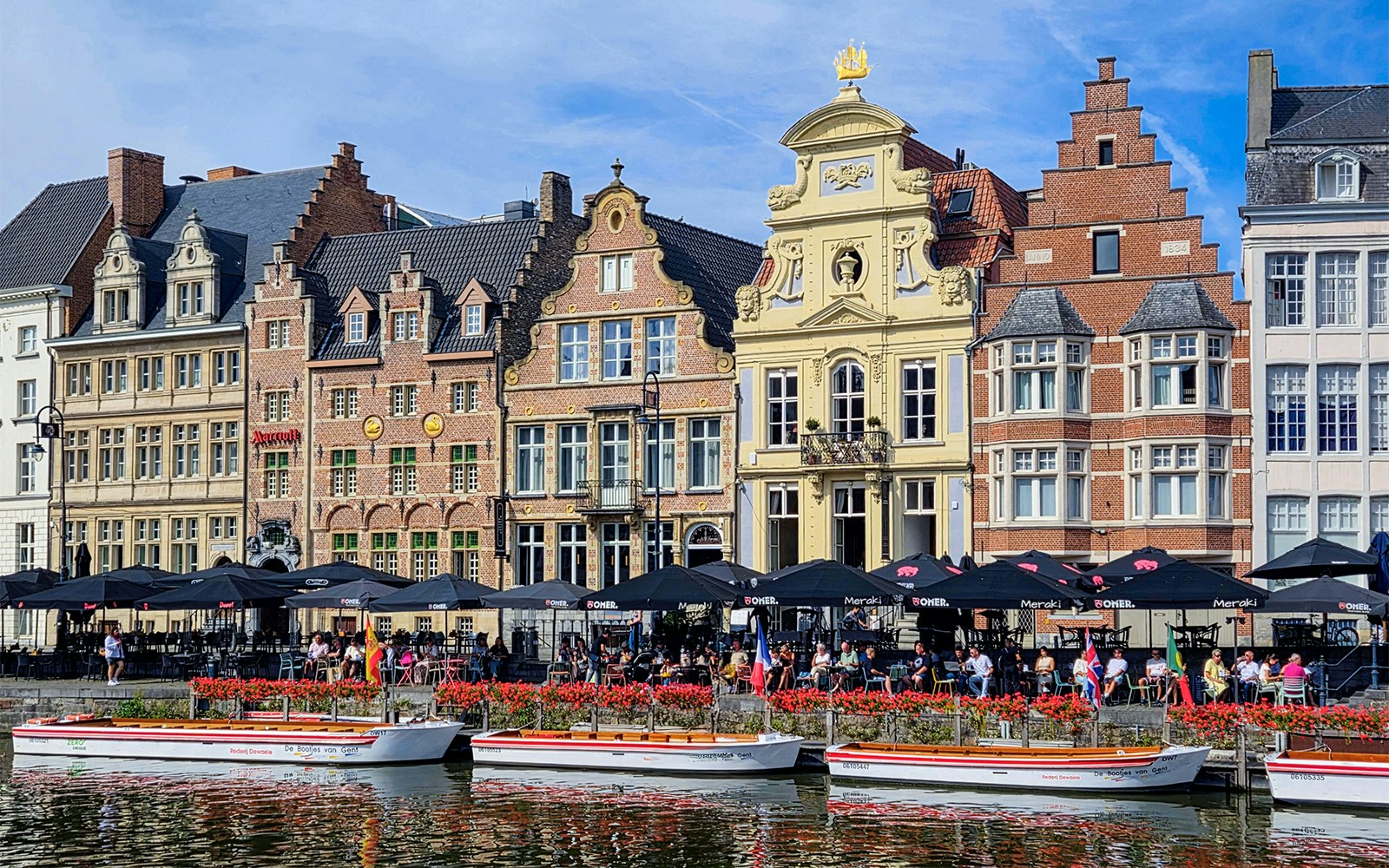
Historic guild houses along the river canal in Ghent, Belgium.
1/10

Guild Houses

Ghent is famous for its guild houses that stand out along various streets and squares. These historic buildings were once home to merchant and craft guilds, with carved details and steep roofs that showcase the city’s medieval architecture.

St. Bavo’s Cathedral Interior

Inside St. Bavo’s Cathedral, the Ghent Altarpiece stands out, framed by Gothic arches and stained glass. Sunlight streaming through the windows highlights the intricate details of the cathedral’s interiors, giving it a calm, reverent atmosphere.

Graslei and Korenlei Canals

One of the highlights of Ghent is its Graslei and Korenlei canals, lined with historic guild houses. These old merchant houses have ornate façades and stepped gables that reflect Ghent’s trading past.

Patershol Streets

Wander the narrow, cobbled streets of Patershol, full of historic buildings, shops, and small cafés. Many houses here are centuries old, showcasing timber framing and stone façades and local architectural charm.

Belfry of Ghent

Climb the Belfry for panoramic views across the city. From the top, canals, spires, and rooftops stretch out, including rows of guild houses with their stepped gables.

St. Michael’s Bridge

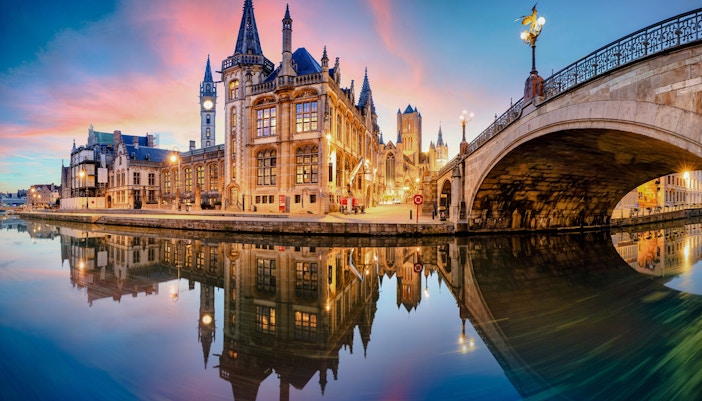
From St. Michael’s Bridge, enjoy the classic Ghent view: three iconic towers lined up over the river, framed by historic houses and the canal. The scene is especially striking when the water mirrors the city’s architecture, creating a picture-perfect moment.

St. Nicholas’ Church

Check out St. Nicholas’ Church, one of Ghent’s oldest Gothic buildings. Its tall spire, stone details, and stained glass make it striking, especially when viewed alongside nearby historic houses and canals.

Graffiti Streets

Besides its famous landmarks, Ghent is also famous for its graffiti streets, where vibrant street art covers walls, alleys, and hidden corners. This urban art adds a modern, colorful contrast to the city’s medieval architecture and is perfect for photography or exploring off the beaten path.

Vrijdagmarkt Square

Plan a visit to the lively Vrijdagmarkt square, which features historic façades, statues, and market stalls. On market days, the square comes alive with activity and life.

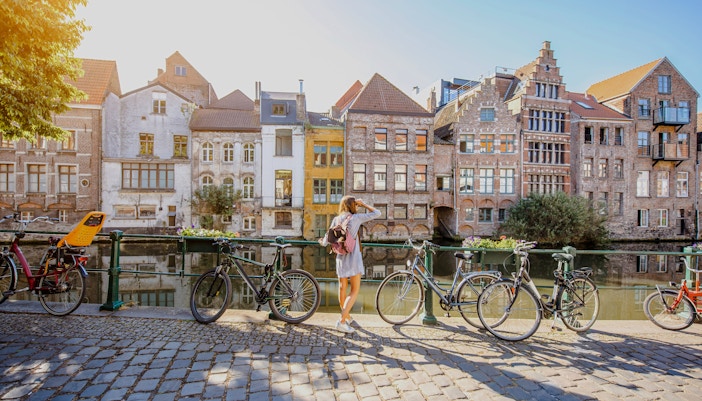
Leie River Canals

Sign off your Ghent visit with a walk to the quieter Leie River canals, away from the main tourist routes. Along the water, traditional houses and riverside buildings reflect on the canal, showing the mix of historic architecture and scenic waterways that make Ghent unique.

History of Ghent in a nutshell

Ghent is one of Belgium’s oldest and most historic cities, growing up where the Lys and Scheldt rivers meet, a location that helped it become a major centre of trade by the Middle Ages. It first developed into a bustling town in the 10th and 11th centuries, and by the 13th century, it was one of northern Europe’s largest cities thanks to its booming cloth industry and powerful merchant guilds.

In the late medieval era, Ghent played a key role in regional politics and uprisings against ruling powers, and the Pacification of Ghent was signed there in 1576 in an attempt to unite the Low Countries against Spanish rule.

The city’s economy later declined, but industrial innovation in the 19th century revived growth, and today Ghent blends its rich history with vibrant cultural life visible in its churches, guild houses, canals, and historic squares.
Local festivals and events in Ghent

Ghent is a city that loves to celebrate, with events happening throughout the year. The Gentse Feesten in July is the biggest festival, filling the streets with music, street theatre, food stalls, and performances for about ten days.

In the same month, the Gent Jazz Festival brings jazz, soul, and world music to venues across the city. For film lovers, Film Fest Gent in October showcases international cinema and hosts the World Soundtrack Awards.

And that’s not it. Every three years, the Ghent Light Festival transforms the city into a nighttime art gallery, featuring large-scale light installations along canals and historic landmarks. These events highlight Ghent’s lively culture and offer a fresh perspective on the city beyond its historic architecture.

Tips for visiting Ghent

  • Book your day trips to Ghent at least two weeks in advance, especially during peak seasons.
  • Once in Ghent, explore the city center on foot or by bike to take in the canals, guild houses, and historic streets at a relaxed pace.
  • If you plan on visiting popular sites like Gravensteen Castle or St. Bavo’s Cathedral, secure your tickets in advance to avoid lines.
  • Try sampling Belgian specialties at cafés along the Graslei and Korenlei for a mix of culture and cuisine.
  • Visit Patershol in the late afternoon when the streets are quieter and restaurants begin serving local dishes.
  • Consider a canal boat tour for a different perspective on the historic architecture and waterways.
  • Check festival dates in July and October to experience the Gentse Feesten, Gent Jazz Festival, or Film Fest Gent.

Frequently asked questions about Ghent in Belgium

Ghent is famous for its medieval architecture, canals, historic guild houses, Gravensteen Castle, St. Bavo’s Cathedral, and lively festivals.

More reads

Plan your visit

Timings

Directions