Step inside this 12th-century fortress right in the middle of the city and explore rooms that once held counts and knights. Climb to the rooftop and take in panoramic views from one of the best lookout points in the town.
Ghent is a compact medieval city where canals, guild houses, and towering churches sit within easy walking distance of one another. Unlike sprawling regions, Ghent works beautifully as a focused day trip, especially from Brussels or Bruges. The key to a smooth visit is smart timing, prioritising major sights like Gravensteen Castle and St. Bavo’s Cathedral, and leaving space to simply wander the centre.
Most visitors arrive by train at Gent-Sint-Pieters station, then take a tram into the historic centre. Driving is possible, but access to the city centre is limited due to Ghent’s low-emission zone and pedestrian areas. One of the most convenient options is booking a guided day trip from Brussels, which includes transport by comfortable coach or bus. These tours simplify logistics and timing, especially during peak season.

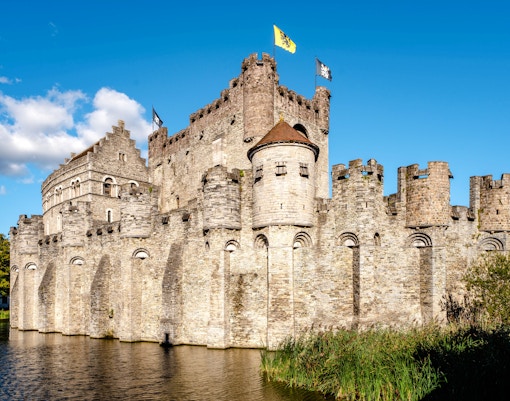
Step inside this 12th-century fortress right in the middle of the city and explore rooms that once held counts and knights. Climb to the rooftop and take in panoramic views from one of the best lookout points in the town.

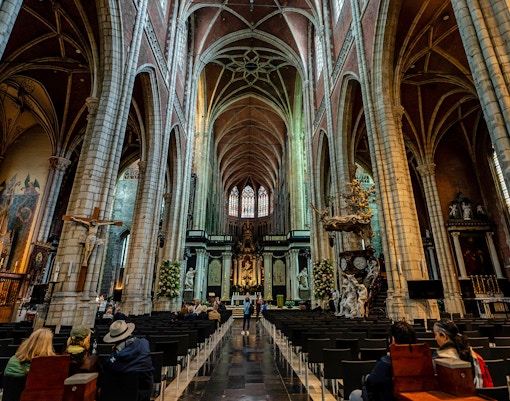
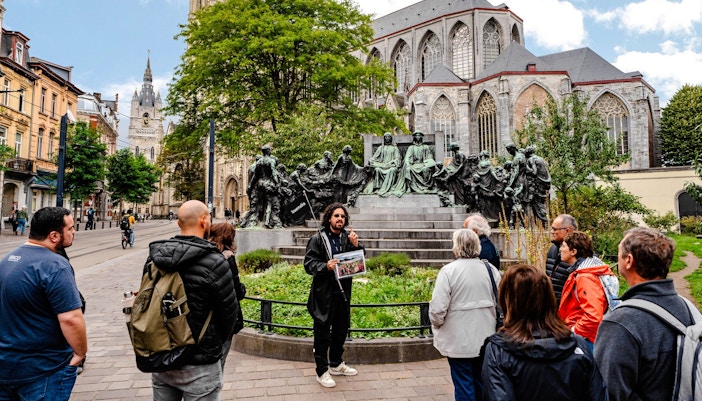
Walk through the soaring Gothic interior and uncover layers of history tucked into side chapels and quiet corners. Then stand in front of the legendary Ghent Altarpiece and take a moment to admire the masterpiece.
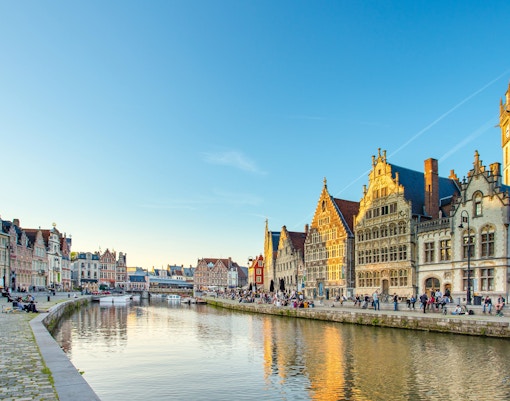
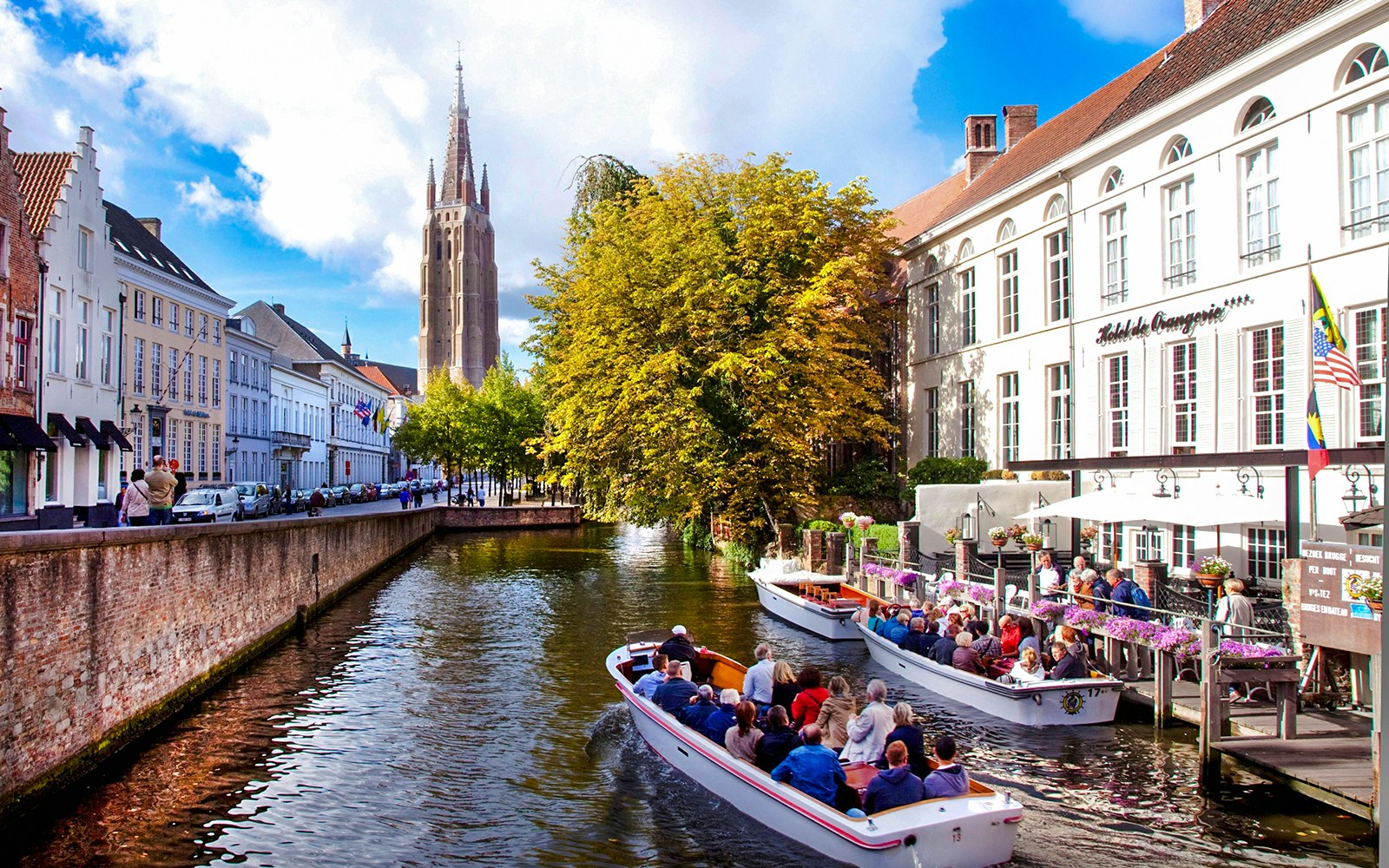
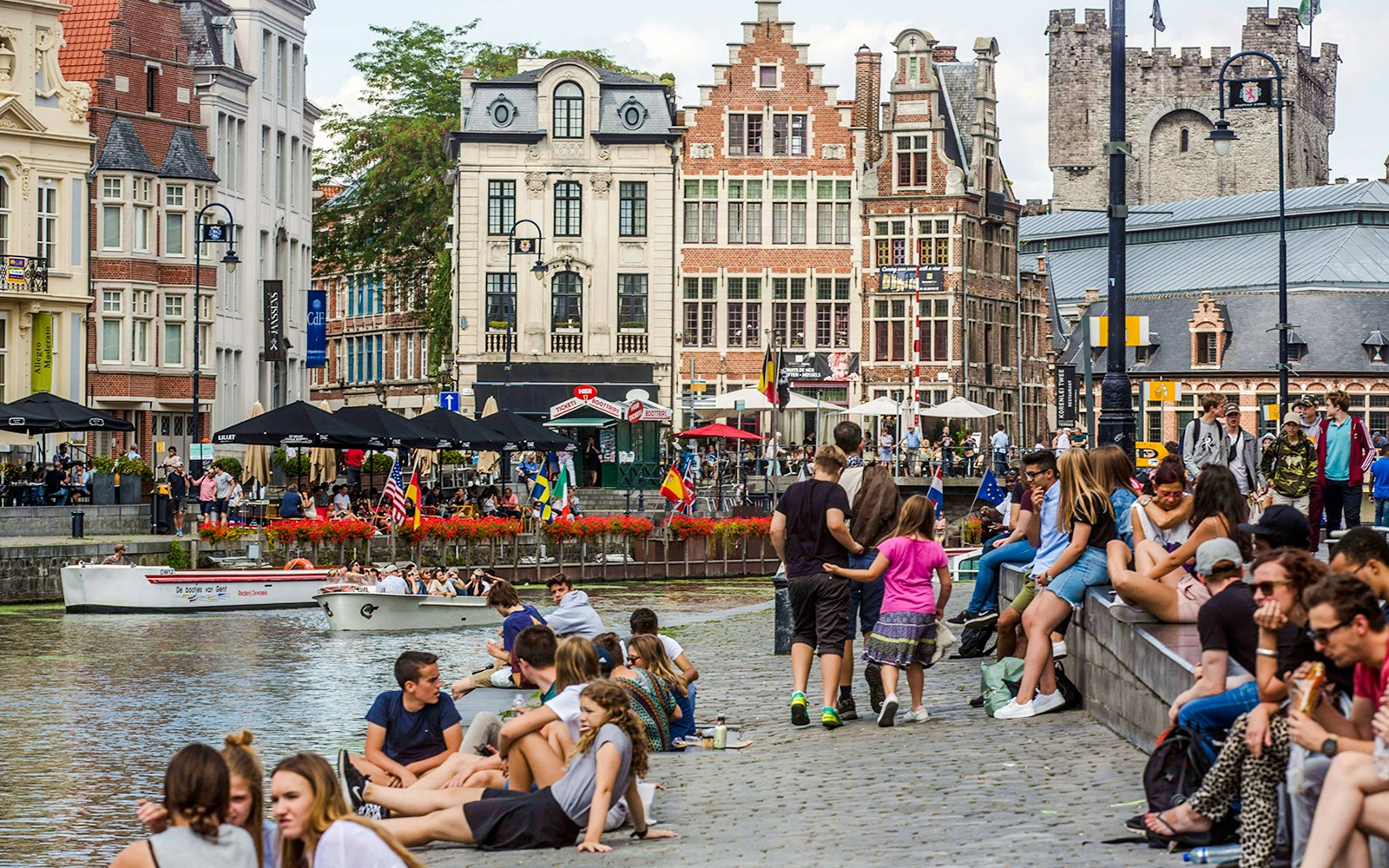
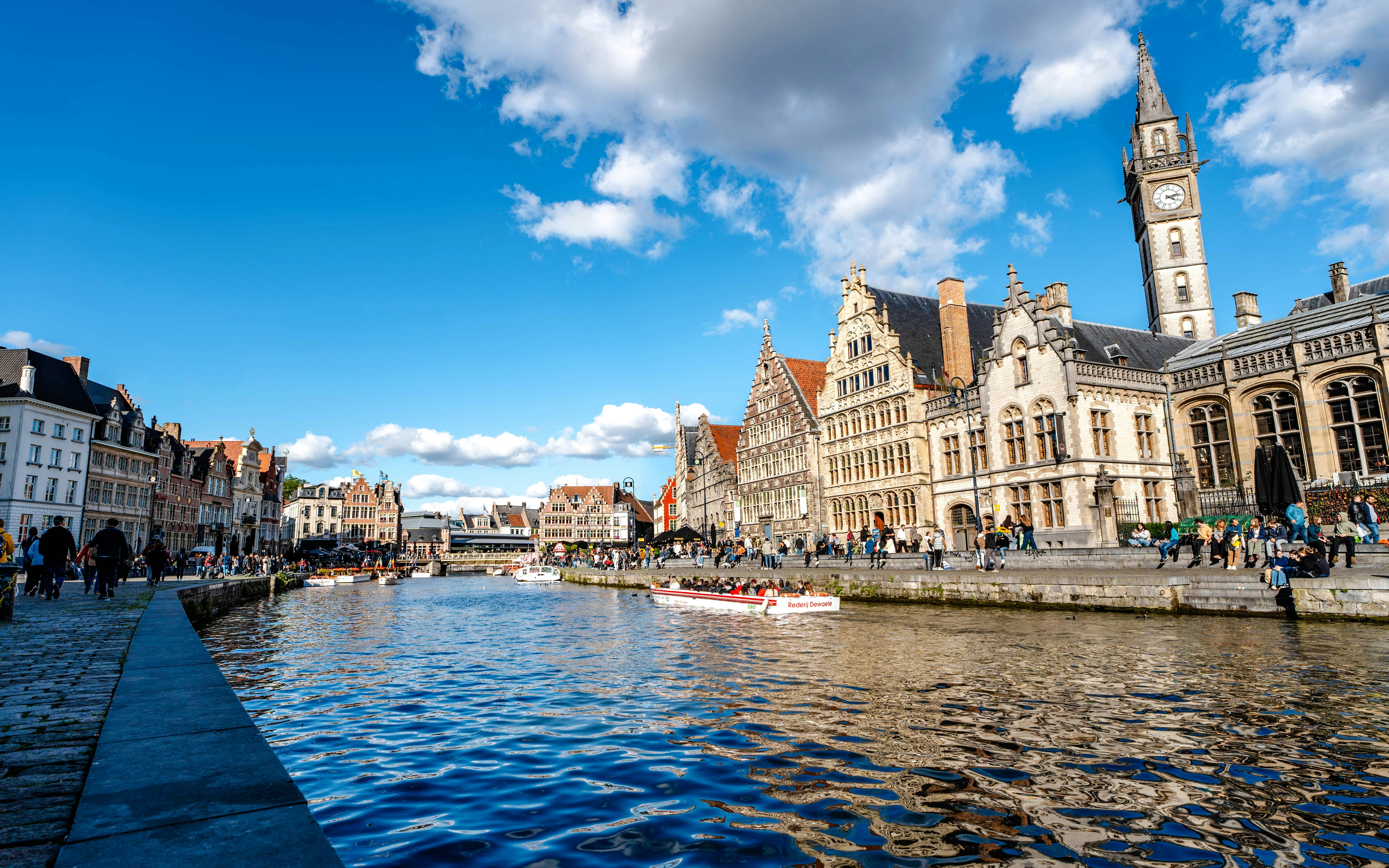
Stroll along these historic canal-side quays and soak in the ornate guild houses reflected in the water. It’s the kind of place where you slow down without even realising it.
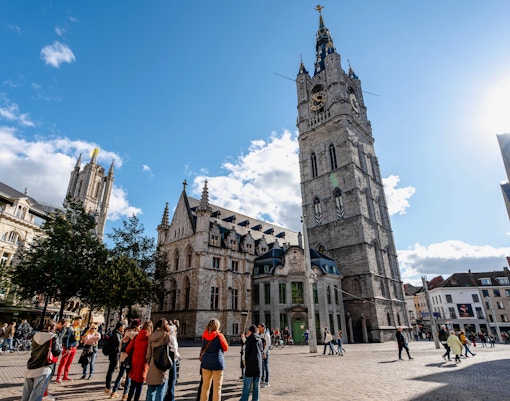
Make your way up this UNESCO-listed medieval tower and uncover views over church spires and winding canals. From the top, Ghent feels compact, dramatic, and completely unforgettable all at once.
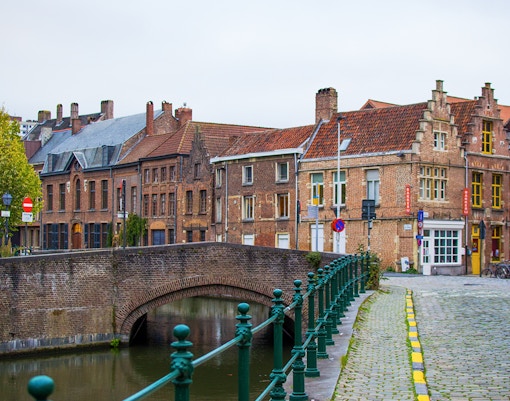
Wander through cobbled lanes and uncover one of the most atmospheric corners of the city. It’s perfect for getting a little lost, then rewarding yourself with a cosy meal in one of the tucked-away restaurants.
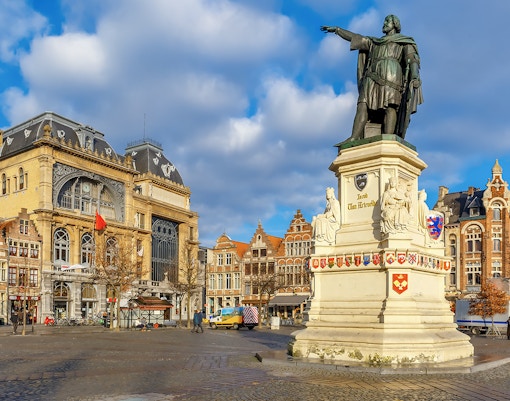
Step into this historic square and imagine the political speeches and markets that once shaped the city’s story. Today, you can explore its cafés and stalls, then sit back and watch local life unfold around you.
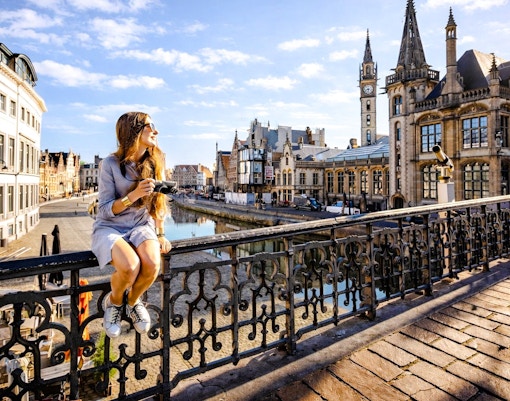
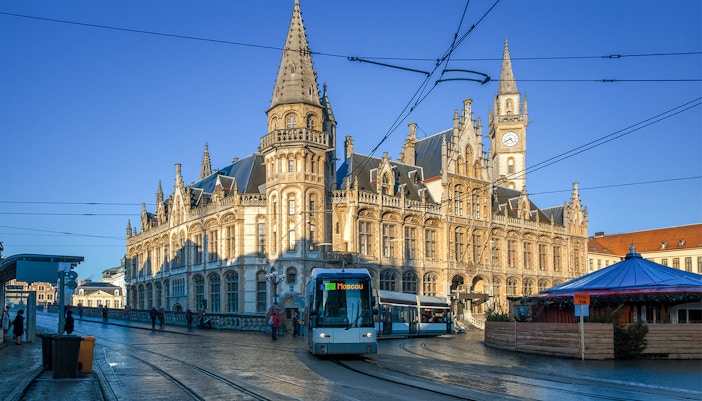
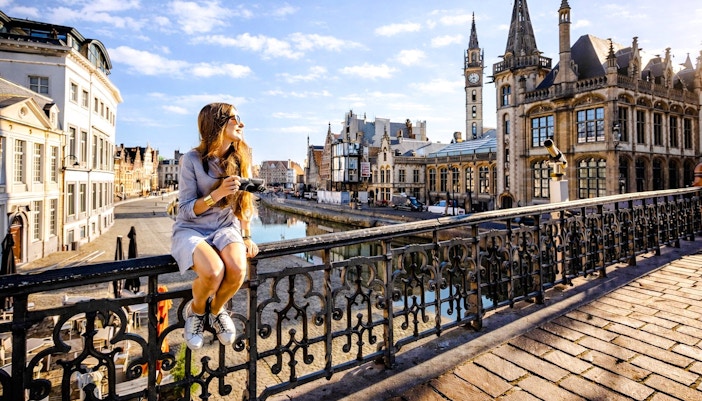
Walk across this stone bridge and stop halfway to soak in one of Ghent’s most famous skyline views. From here, the Belfry and surrounding towers line up beautifully, making it one of the city’s most rewarding photo spots.
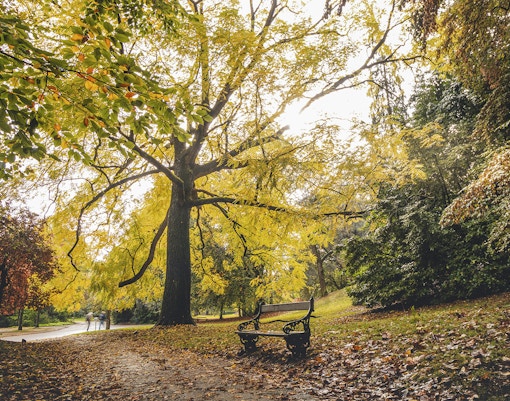
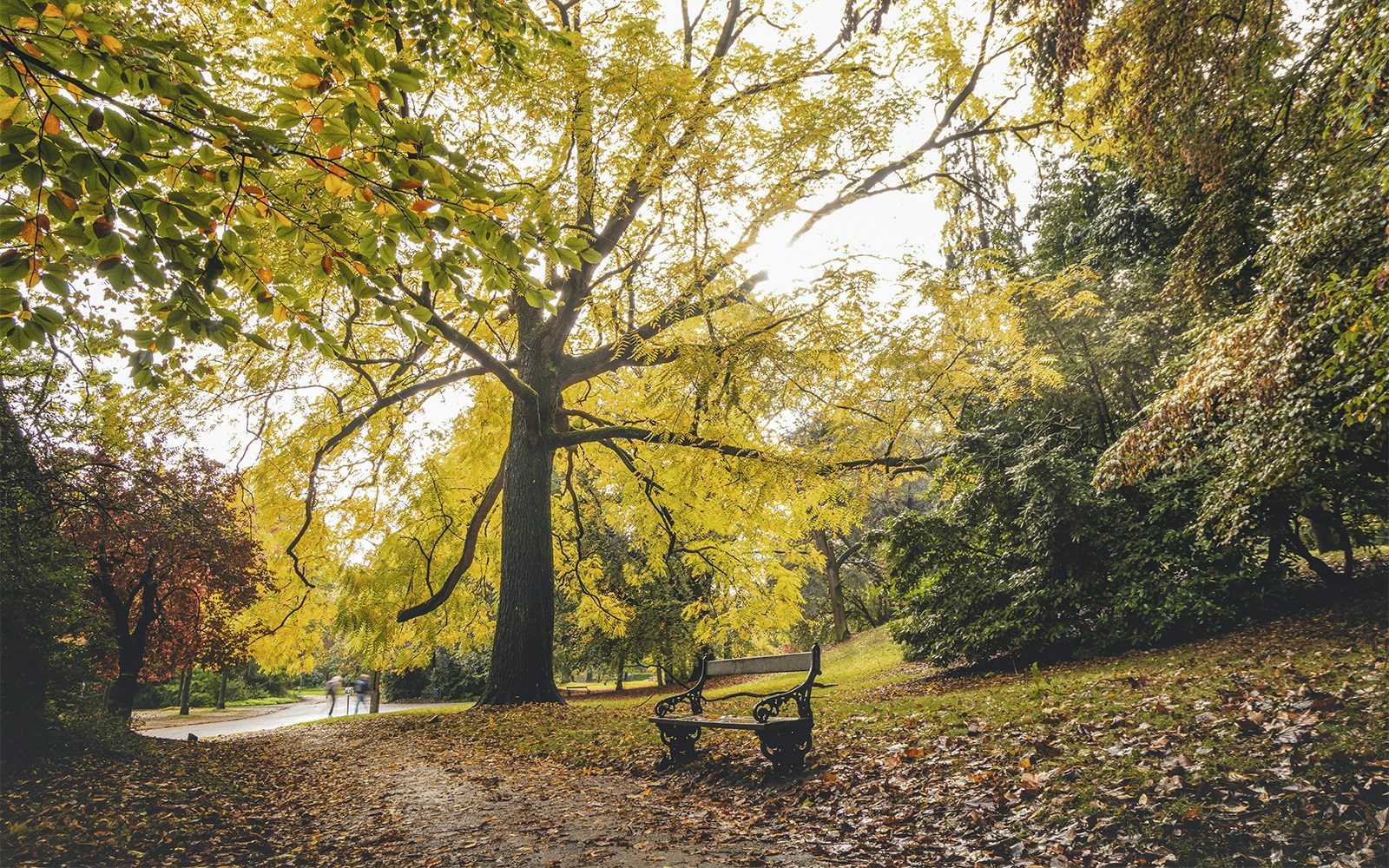
Take a breather in this green park near the museum quarter and enjoy a quieter side of Ghent. Whether you’re wandering tree-lined paths or stretching out on the grass, it’s a welcome pause from the medieval bustle.
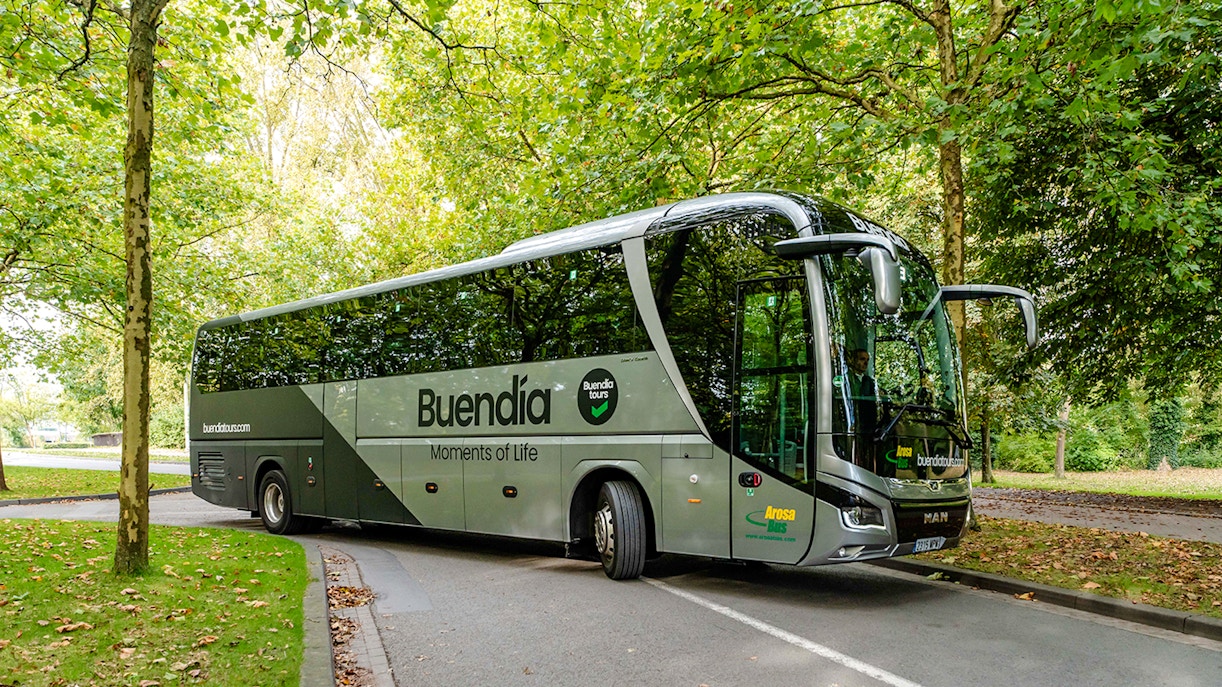
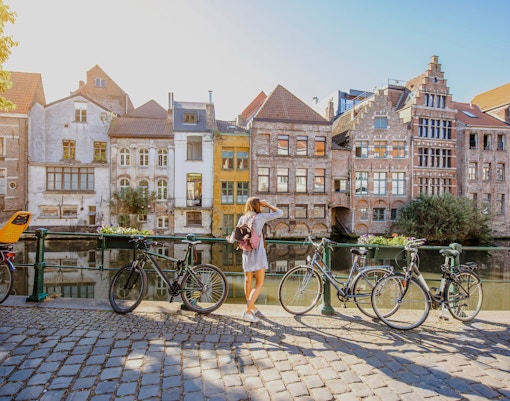
Guided tours offer a straightforward way to visit Ghent in a single day from Brussels. They include round-trip transfers and a planned itinerary covering the key highlights, so you don’t have to manage transport or schedule your time independently.
Trains are one of the fastest and most frequent ways to travel from Brussels to Ghent. They run regularly throughout the day and are reliable, making them the most popular option for independent travellers.
Buses are a lower-cost alternative, though departures are less frequent. Intercity services connect Brussels and Ghent in about an hour, depending on traffic. While budget-friendly, they run less often than trains and may not arrive as centrally.
Cars and taxis offer flexibility, especially if you plan to combine Ghent with other stops. Driving via the E40 motorway takes under an hour in normal traffic. However, parking in central Ghent is restricted.

Ghent’s historic centre is compact and largely pedestrianised. Most major sights sit within a 10- to 15-minute walk of each other, especially around Graslei, Korenmarkt, and the Belfry area.

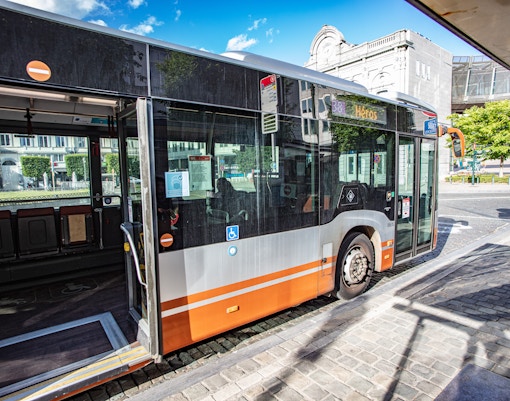
Trams and buses are a practical way to travel between the station and outer neighbourhoods. Tram Line 1 connects Gent-Sint-Pieters station directly to the city centre, making it the most useful route for visitors.

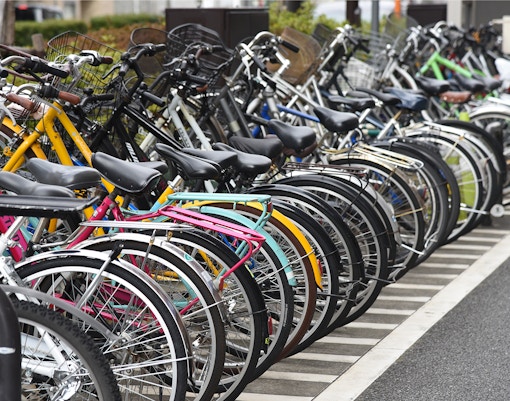
Bicycles are a fast way to move beyond the centre. Ghent is bike-friendly with dedicated lanes and flat terrain. Renting a bike makes sense if you plan to explore neighbourhoods or areas along the canals.

Taxis are convenient for short, direct trips. They are available throughout the city and useful for station transfers or late-night returns.


Glide through Ghent’s canals and see the city from a completely different angle, right at water level. It’s an easy, relaxed way to take in the medieval façades without adding more steps to your day.
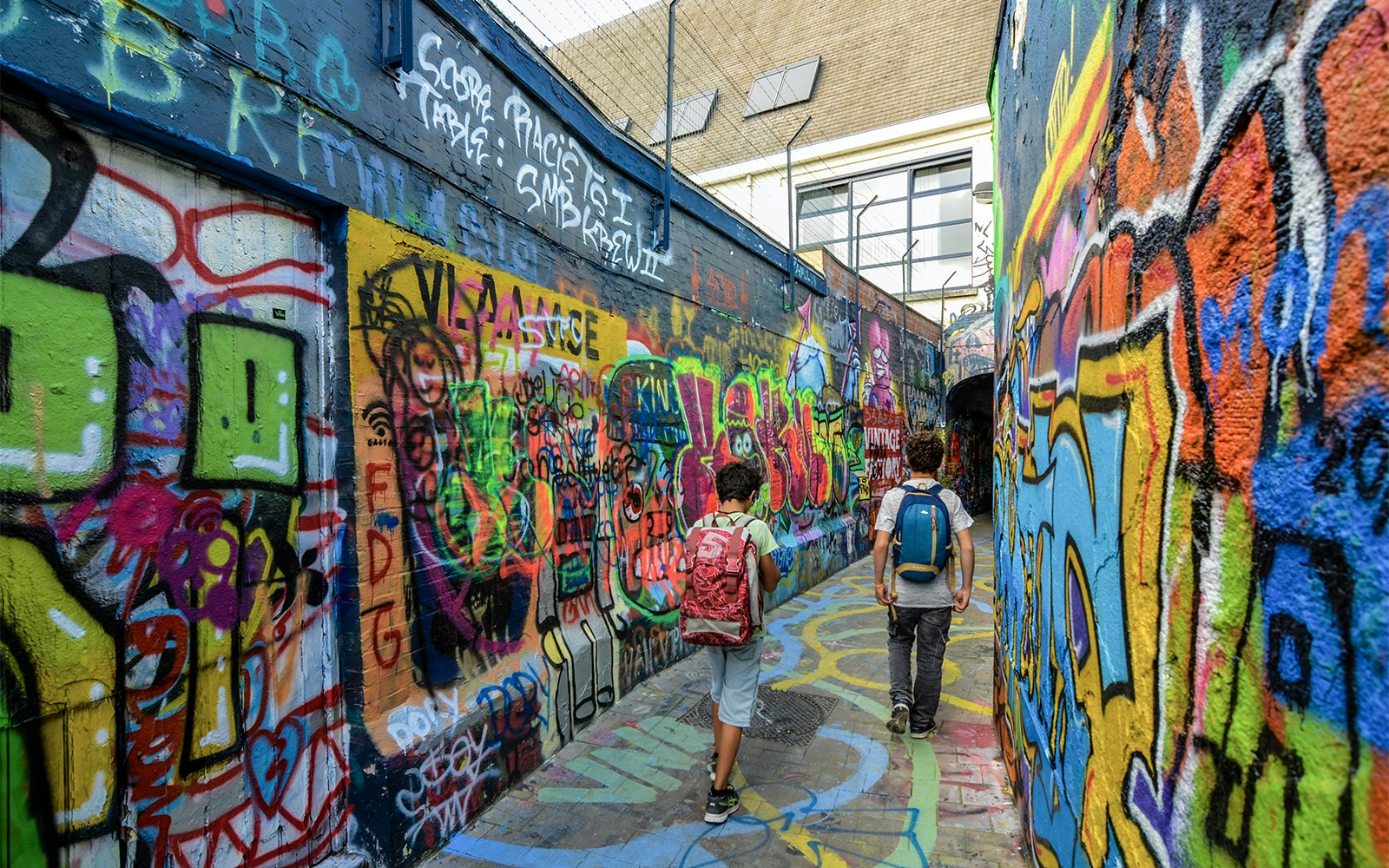
Slip into this ever-changing street art alley and watch how modern creativity collides with old stone walls. It’s a refreshing contrast to churches and guild houses.
Stop by this historic square on market day and browse flowers, produce, and local treats. It’s less about ticking off sights and more about soaking up everyday Ghent life.
Come back to this cobbled neighbourhood after sunset when the restaurants glow and the crowds thin out. It’s one of the best places to settle in for Flemish comfort food or something a little more experimental.
Head toward the museum quarter and unwind in this spacious green park. It’s perfect when you need a quiet reset between sightseeing stops.
Wander to this peaceful marina where the rivers meet, and the mood feels noticeably calmer. It’s especially lovely in the evening when the water reflects the fading light.
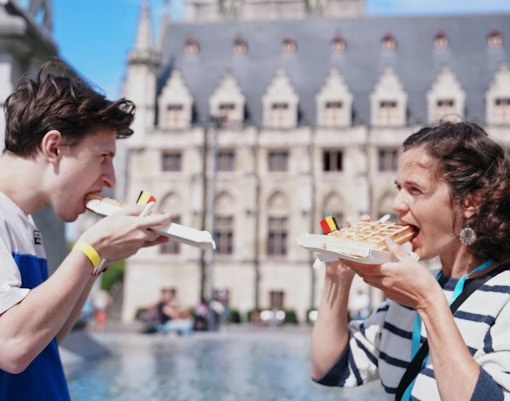
Join a small tasting or visit a speciality beer bar and learn why Belgium takes its brewing so seriously. It’s a fun, low-pressure way to explore regional flavours beyond just ordering at random.
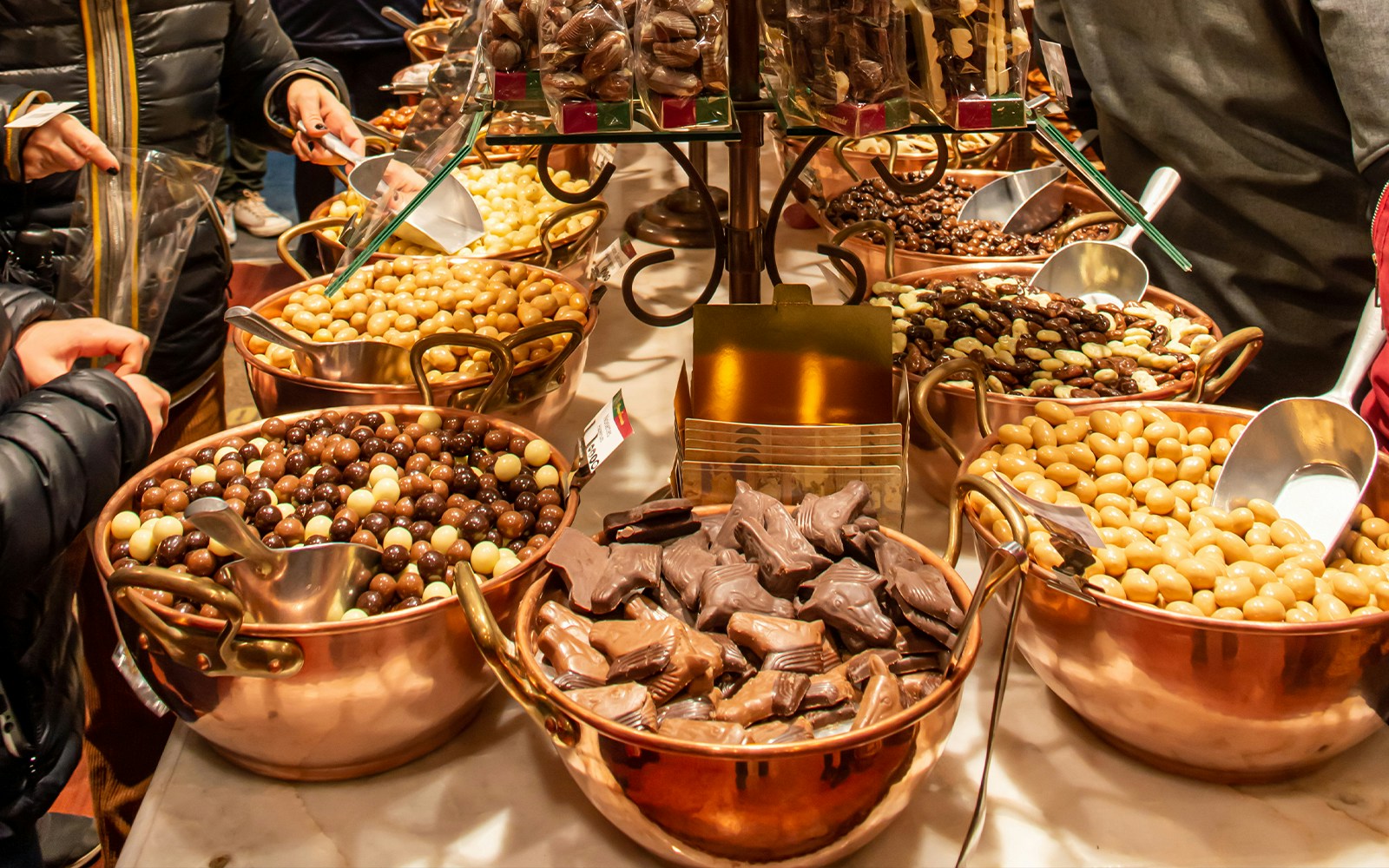
Spend an hour learning how Belgian pralines are made, then try crafting your own. It’s hands-on, surprisingly fun, and you leave with something sweet to show for it.
Rent a bike and follow the riverside paths just beyond the centre. Within minutes, the medieval skyline gives way to quieter residential streets and open views.

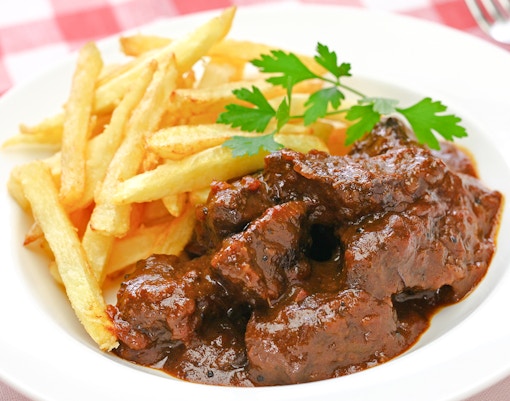
Classic brasserie serving Belgian comfort food in a lively, central setting.

Atmospheric restaurant set inside a former warehouse with a striking glass ceiling.

Casual favourite known for generous, all-you-can-eat ribs.

Cosy bakery café loved for its homemade cakes and relaxed vibe.

Main shopping street lined with fashion brands and local stores, perfect for a convenient stop between attractions.
What to look out for: Belgian fashion labels and chocolate shops.

A street filled with independent boutiques and specialty food stores, offering a more local and curated feel.
What to look out for: Handmade goods and gourmet products.

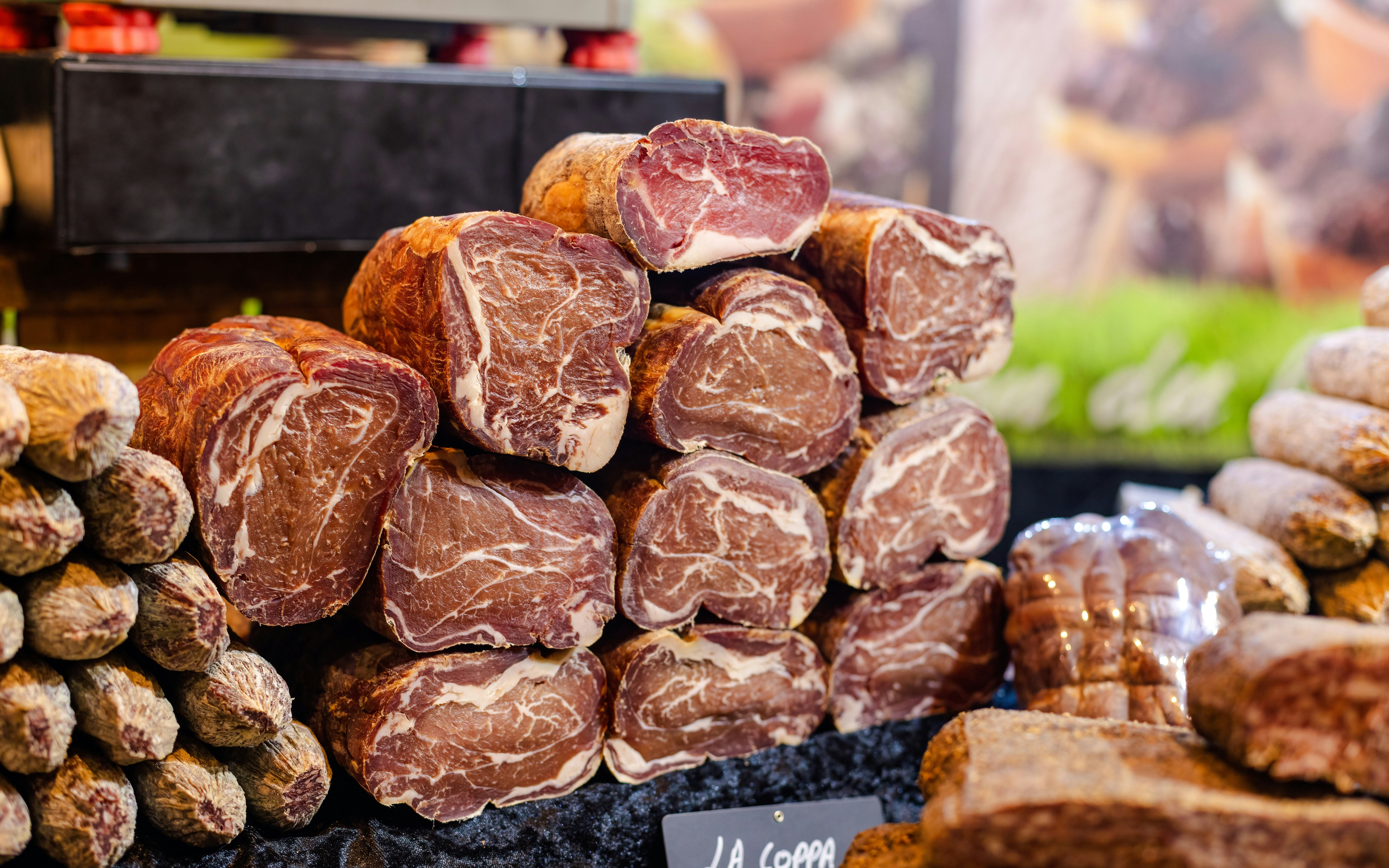
A small historic square known for traditional food stalls and regional specialties near the city centre.
What to look out for: Cuberdons, Ghent’s cone-shaped local candy.

Historic mustard shop operating since the 18th century, famous for its strong, freshly scooped mustard.
What to look out for: Traditional Tierenteyn mustard as a uniquely local food souvenir.
Ghent is about 55 km from Brussels. Direct trains run frequently and take around 30 to 40 minutes, making it one of the easiest and most convenient day trips.
Yes. The historic centre is compact and largely pedestrianised, with major landmarks located within comfortable walking distance of each other.
A full day allows you to see the main highlights, enjoy a relaxed meal, and explore the canals without rushing. If time is limited, 5 to 6 hours is enough for the key sights.
Generally, yes. Ghent feels more local and less tourist-heavy than Bruges, particularly outside peak summer months, while still offering equally impressive architecture.
Spring (April to June) and early autumn (September to October) are ideal, with mild weather, fewer crowds, and good light for sightseeing. Summer is lively and warm but busier, especially in July during festival season. Winter is quieter and more atmospheric, particularly around Christmas markets.
Yes. While temperatures are colder, the city feels cosy and less crowded. Museums, cafés, and historic streets are easier to enjoy without peak-season crowds.
Absolutely. Ghent is compact enough to explore in a single day, especially if you focus on the castle, cathedral area, canals, and central squares. Many visitors combine it with Brussels or Bruges.
Ghent is generally moderately priced compared to other Western European cities. Food and accommodation are often slightly more affordable than in Brussels or Bruges, though prices rise in peak summer.
From Brussels: Full-Day Antwerp and Ghent Guided Tour
From Brussels: Bruges & Ghent Tour with Cruise & Chocolate Tasting
From Brussels: Guided Day Trip to Bruges and Ghent
From Brussels: Day Trip to Ghent with Atomium
From Brussels: Bruges & Ghent Day Tour - 2 Fairytale Cities