Best time to go on a day trip to Ghent from Brussels

Ghent is a lively city where medieval streets meet bustling squares, picturesque canals, and historic landmarks. Planning your day trip from Brussels is easiest when you know the typical departure and return times, along with the best seasons for weather. This guide provides all the information you need to choose the right time to visit Ghent and make the most of your day.

Ghent day trips seasonal & operational timings

Season/MonthTypical first departureTypical last departureFrequencyNotes

Dec–Feb (Winter)

Around 7 am

Late evening departures end by 8-9 pm

Several buses throughout the day

Cooler weather and shorter daylight don’t affect service availability, but schedules may be slightly less frequent mid‑week.

Mar–May (Spring)

Around 7 am

Late evening departures end by 9-10 pm

Frequent daytime services

Longer days and pleasant weather make for enjoyable sightseeing once you arrive in Ghent.

Jun–Aug (Summer peak)

Around 6:30 am

Late evening departures end by around 10 pm

Frequent services throughout peak hours

Peak travel season brings robust schedules; buses support flexible day trip timing

Sep–Oct (Autumn)

Around 7 am

Late evening departures end by 9-10 pm

Frequent daytime services

Autumn sees pleasant temperatures and steady travel demand

Nov (Late autumn)

Around 7 am

Late evening departures end by around 8 pm

Several buses throughout the day

Cooler weather and shorter days reduce sightseeing hours, but bus services continue to run.

Timing notes & visitor warnings

  • Traffic delays are common, especially during Brussels rush hours, and may affect scheduled bus or coach transfers.
  • Sudden rain showers can occur any time of year, so bring a light jacket or umbrella for outdoor walking tours.
  • Many attractions in Ghent, like Gravensteen and St. Bavo’s Cathedral, have fixed closing times and strict last entry windows.
  • Festival periods, such as Gentse Feesten in July, can increase crowds and impact travel and walking around the city.
  • Shorter daylight hours in winter affect late afternoon visits and may require adjusting your sightseeing plans.

Best time to visit Ghent

Spring (March–May)
Spring in Ghent brings mild temperatures and blooming parks, making it perfect for strolling through medieval streets. Crowds are moderate, so you can enjoy attractions without feeling rushed.

Summer (June–August)

With long daylight hours and warm weather, summer turns Ghent into a lively playground. Streets and canals bustle with locals and tourists enjoying seasonal festivals or canal-side events.
Autumn (September–October)

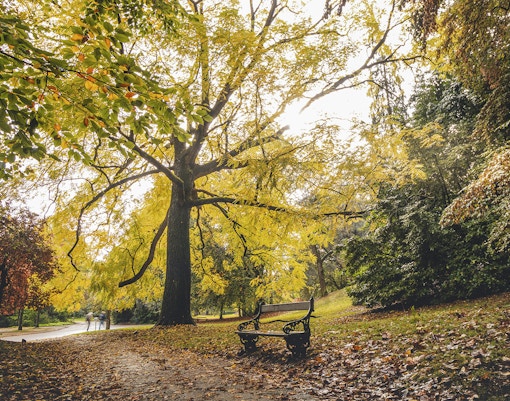
Crisp air and cooler temperatures make autumn a comfortable time for sightseeing. Crowds thin compared to summer, and the fall colours along the canals create a picturesque backdrop for photos.
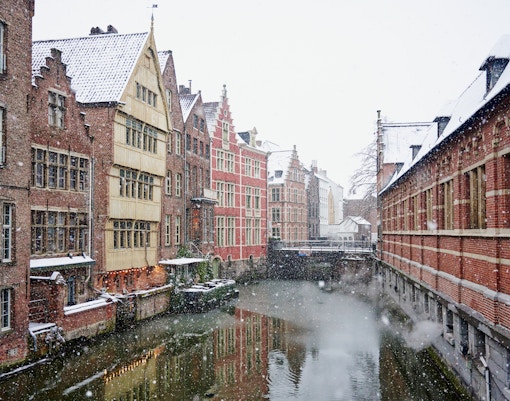
Winter (November–February)

Shorter days and colder weather bring a quieter, more relaxed Ghent. Keep in mind that some outdoor attractions may close earlier, but the city’s medieval streets feel especially atmospheric in the quieter months.
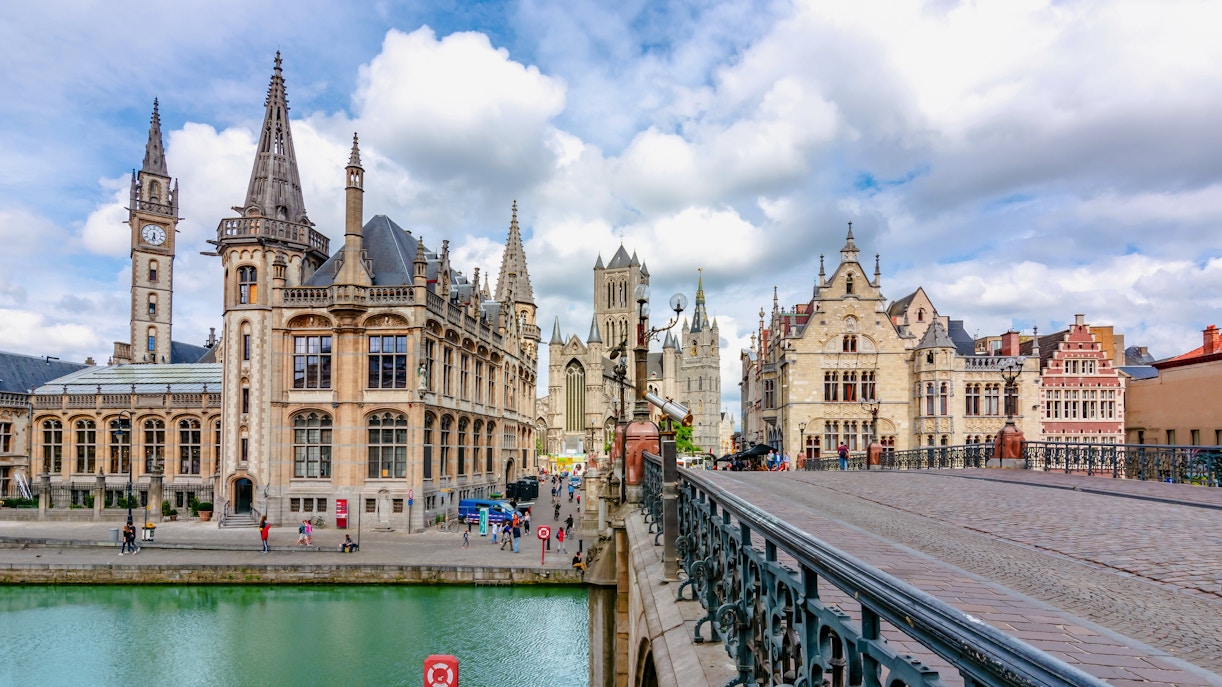
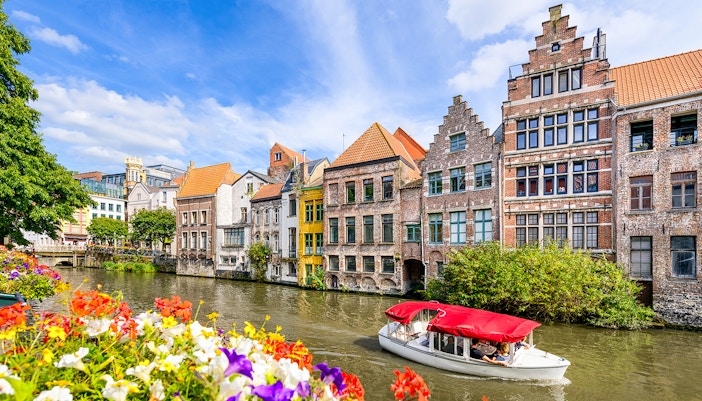
St. Michael's Bridge in Ghent with historic buildings and canal view.
  • Monday–Friday: Weekdays are generally quieter, particularly early in the week. This is ideal if you want shorter lines at key landmarks like Gravensteen or St. Bavo’s Cathedral.
  • Saturday: The liveliest days, with bustling markets, busy cafés, and crowded canal walks. Expect a vibrant, energetic atmosphere with plenty of people around.
  • Sunday: More relaxed, though some shops and smaller museums may open later or close earlier. Squares, canals, and churches remain accessible for wandering at a slower pace.
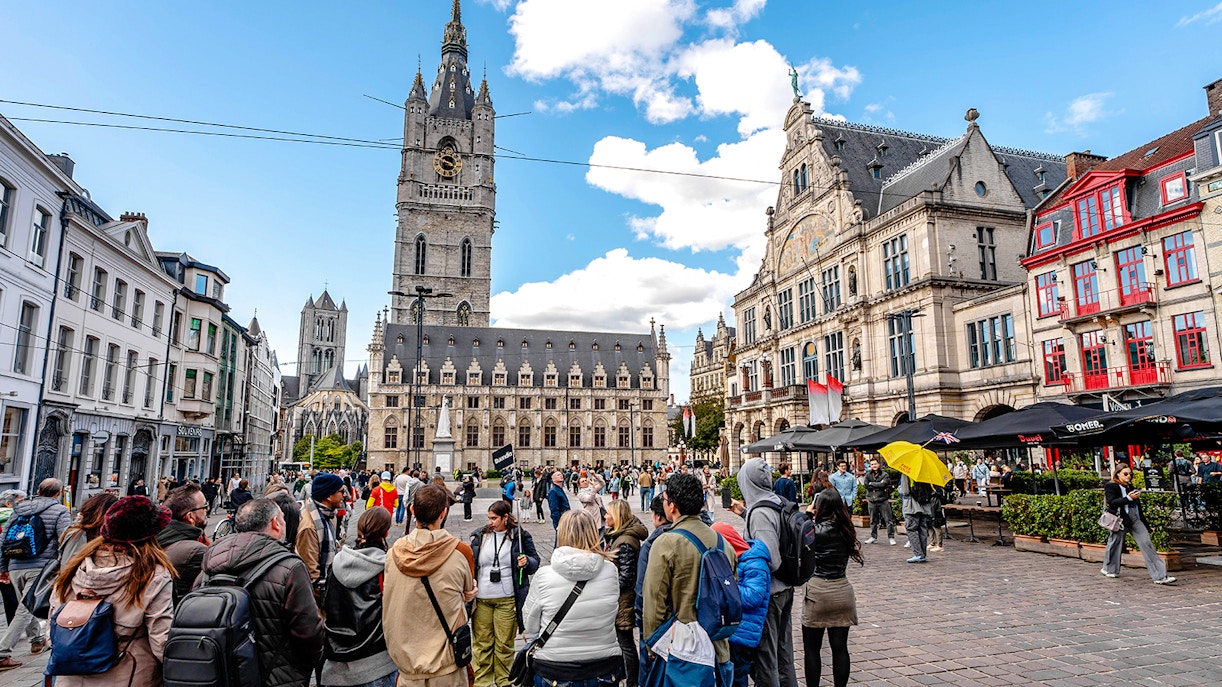
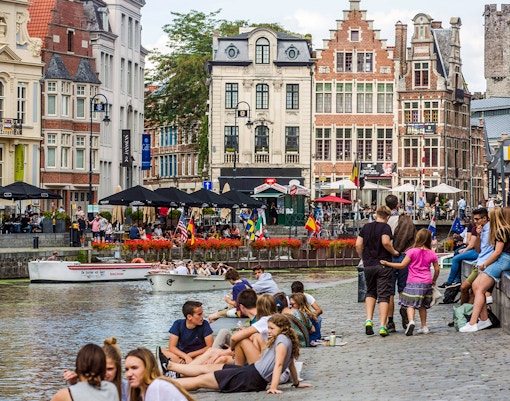
Tourists gather in Ghent's historic center with the Belfry of Ghent in the background.
  • Morning (8 am–11 am): Early mornings offer cooler temperatures, soft light for photography, and fewer visitors. It’s an excellent time for walking tours and exploring Ghent’s historic streets.
  • Midday (11 am–3 pm): Midday is when the city is most active. Attractions are busier, but strong sunlight highlights the canals and architecture. It’s also a perfect time to pause for lunch at a riverside café.
  • Afternoon to Golden Hour (3 pm–7 pm): The warm afternoon light enhances Ghent’s historic buildings and canals. Golden hour near dusk offers stunning photo opportunities as façades glow and reflections shimmer in the water.
  • Evening (7 pm onward): By evening, most museums and attractions are closed, but Ghent’s squares, canals, and historic streets create a magical atmosphere.
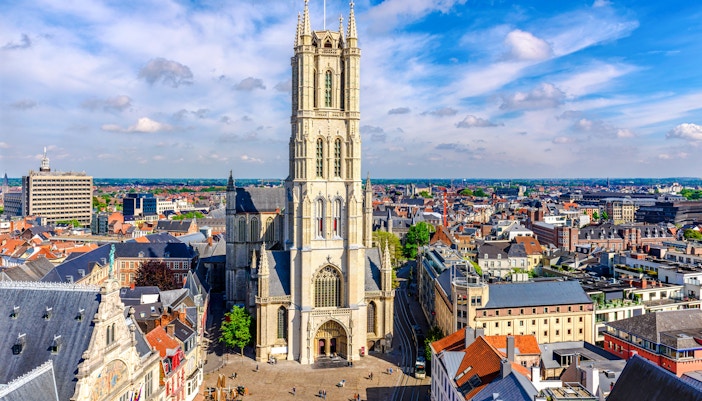
Weather at Ghent

Ghent has a temperate oceanic climate with moderate seasonal changes, which influence crowd levels and outdoor activities. Understanding the weather month by month helps you plan your Brussels to Ghent day trip comfortably.

January

  • Avg temp: High 6 °C / Low 1–2 °C
  • Crowd level: Low
  • Winter in Ghent is chilly with short daylight and overcast skies. It’s quieter for sightseeing, which is ideal if you prefer fewer crowds and don’t mind bundling up.

February

  • Avg temp: High 7 °C / Low 1–2 °C
  • Crowd level: Low
  • Still wintery with cool conditions and limited sunshine. Slender crowds make exploring the medieval city center calm and peaceful.

March

  • Avg temp: High 10 °C / Low 3 °C
  • Crowd level: Moderate
  • Spring begins with improving weather. Days are cooler but pleasant for walking tours, and Ghent starts to feel livelier.

April

  • Avg temp: High 14 °C / Low 5 °C
  • Crowd level: Moderate
  • Spring warms further, perfect for canal-side walks and outdoor cafés. Rain is still possible, but longer daylight makes this a popular shoulder season.

May

  • Avg temp: High 17 to 18 °C / Low 8 to 9 °C
  • Crowd level: Moderate to High
  • Comfortably warm days and extended daylight encourage outdoor exploration. Gardens and parks look especially vibrant.

June

  • Avg temp: High 20 to 21 °C / Low 11 to 12 °C
  • Crowd level: High
  • The start of summer brings warmer weather and long days, ideal for walks and outdoor events. Tourist numbers rise, especially on weekends.

July and August

  • Avg temp: High 22 to 23 °C / Low 13 to 14 °C
  • Crowd level: Peak
  • The warmest months of the year with long daylight hours and lively streets. This is peak travel season, with festivals and outdoor life.

September

  • Avg temp: High 19 to 20 °C / Low 10 to 11 °C
  • Crowd level: High to Moderate
  • Early autumn offers pleasant, mild days and cooler evenings. Crowds remain strong at the beginning of the month but taper off later.

October

  • Avg temp: High 14 to 15 °C / Low 7 to 8 °C
  • Crowd level: Moderate
  • Crisp autumn weather and shorter days, yet still comfortable for exploring. Fall colours around canals are especially scenic, with lighter crowds than summer.

November

  • Avg temp: High 10 to 11 °C / Low 4 to 6 °C
  • Crowd level: Low
  • Cool and increasingly damp. Outdoor sightseeing is still possible with layered clothing, and popular spots feel noticeably quieter.

December

  • Avg temp: High 6 to 7 °C / Low 2 to 3 °C
  • Crowd level: Low
  • Chilly days and shorter daylight hours return. Festive markets and holiday lights add charm, though outdoor plans are best balanced with indoor attractions.

How long should you spend in Ghent?

2 hours

Focus on the essentials in Ghent’s city center. Visit St. Bavo’s Cathedral to see the Ghent Altarpiece, stroll along Graslei & Korenlei, and walk past St. Nicholas Church and the Belfry of Ghent.

4 hours

Add time to explore Gravensteen Castle, take a quick canal-side break at a café, and enjoy walking through Vrijdagmarkt. This duration gives a more complete feel of the city’s medieval and lively atmosphere.

6 hours

Include optional experiences like a canal boat tour, visiting STAM (Ghent City Museum), exploring artisan shops, and enjoying a relaxed lunch. This is ideal for a full-day trip from Brussels with a combination of sightseeing and leisure.

Frequently asked questions about the best time to go on a day trip to Ghent

Yes, Ghent’s city center and main attractions are open all year, making it a great destination in any season. Some sites, like Gravensteen or the Ghent Altarpiece, may have shorter hours or earlier closures during winter.